
Solution Description
Medical center Medical Central Air Compressor Gasoline Source Equipment Technique
Software
Medical center Central Fuel Offer Device, like medical oxygen and suction, is an important component of the centralized air provide program in present day hospitals.
Healthcare facility Central Gas Supply Equipment is largely utilized in the adhering to:
one. The energy of ventilator in intense treatment unit and emergency room.
two. Provide oxygen/air mixture to clients, particularly these with extreme illness.
three. Energy as pneumatic tools in the working area.
4. Energy as a dental pneumatic instrument.
five. The energy for some gear in the provide space.
6. The electrical power of bodily treatment and rehabilitation products.
Normally, for larger hospitals with a scale of five hundred-one thousand beds, 3 (or two) oil-totally free air compressors with a gas supply of 1.5-2.0m3/min, can meet the gas demands of about forty checking beds, twenty working beds and 10 dental chairs.
Parts
Healthcare facility Central Gasoline Source Equipment, is composed by compressor, gas storage tank, electric powered control cabinet, cold and dry device, filter, and many others.
Healthcare facility Central Gasoline Offer Machine:
one. Generally compressor requirements 2 sets, which operate alternately or cooperate, in buy to improve the compression efficiency and prolong the life of the compressor.
2. Compressors usually use oil-cost-free piston compressors or screw compressors. Piston compressor price is decrease, but the sound is greater Screw compressors can supply stable electrical power, but the price is higher. The hospital can decide on from it in accordance to its actual predicament.
three. The gasoline storage tank, like the vacuum tank, is made of carbon metal or stainless steel. The standard volume is 1~3m3.
four. Most of the pipeline of compressed air program are copper pipes, and the thickness and diameter are identified according to the real use of fuel. Gasoline terminals are normally set up in the running space pylon or tools belt in the running room.
In some nations, the supply of compressed air can also be a manifold, but it is much less used.
Configuration
| Product | Description | Specification | QTY |
| 1 | Screw Air Compressor | Air Compressor Product: LU-four Power Fee: 7kw Flow price: .44m3/min Force: 10bar Electricity: 380v/50HZ |
one |
| 2 | Refrigeration dryer | Refrigerated Dryer Model: J2E-8GP Power Price: .7kw Stream price: .8m3/min Energy: 220v/50HZ |
1 |
| three | Air storage tank | Volume: .6m3 Strain: 10bar |
one |
| 4 | Substantial performance filters | 4stage | 1 |
|
US $3,760-5,910 / Set | |
1 Set (Min. Order) |
###
| After-sales Service: | Supplied, Onsite, Online |
|---|---|
| Warranty: | 18 Months |
| Lubrication Style: | Oil-free |
| Cooling System: | Air Cooling |
| Power Source: | AC Power |
| Cylinder Position: | Vertical |
###
| Samples: |
US$ 3920/Piece
1 Piece(Min.Order) |
|---|
###
| Customization: |
Available
|
|---|
###
| Item | Description | Specification | QTY |
| 1 | Screw Air Compressor | Air Compressor Model: LU-4 Power Rate: 7kw Flow rate: 0.44m3/min Pressure: 10bar Power: 380v/50HZ |
1 |
| 2 | Refrigeration dryer | Refrigerated Dryer Model: J2E-8GP Power Rate: 0.7kw Flow rate: 0.8m3/min Power: 220v/50HZ |
1 |
| 3 | Air storage tank | Volume: 0.6m3 Pressure: 10bar |
1 |
| 4 | High efficiency filters | 4stage | 1 |
|
US $3,760-5,910 / Set | |
1 Set (Min. Order) |
###
| After-sales Service: | Supplied, Onsite, Online |
|---|---|
| Warranty: | 18 Months |
| Lubrication Style: | Oil-free |
| Cooling System: | Air Cooling |
| Power Source: | AC Power |
| Cylinder Position: | Vertical |
###
| Samples: |
US$ 3920/Piece
1 Piece(Min.Order) |
|---|
###
| Customization: |
Available
|
|---|
###
| Item | Description | Specification | QTY |
| 1 | Screw Air Compressor | Air Compressor Model: LU-4 Power Rate: 7kw Flow rate: 0.44m3/min Pressure: 10bar Power: 380v/50HZ |
1 |
| 2 | Refrigeration dryer | Refrigerated Dryer Model: J2E-8GP Power Rate: 0.7kw Flow rate: 0.8m3/min Power: 220v/50HZ |
1 |
| 3 | Air storage tank | Volume: 0.6m3 Pressure: 10bar |
1 |
| 4 | High efficiency filters | 4stage | 1 |
What to Look For When Buying an Air Compressor
An air compressor is a very useful tool that can help you complete many different types of construction jobs. This handy machine makes many tasks much easier, but not all of them are created equally. Understanding what to look for when buying an air compressor will help you make an informed decision. Here are some of the things you should look for. These include price, size, and energy efficiency. Also, make sure to consider the air compressor’s type.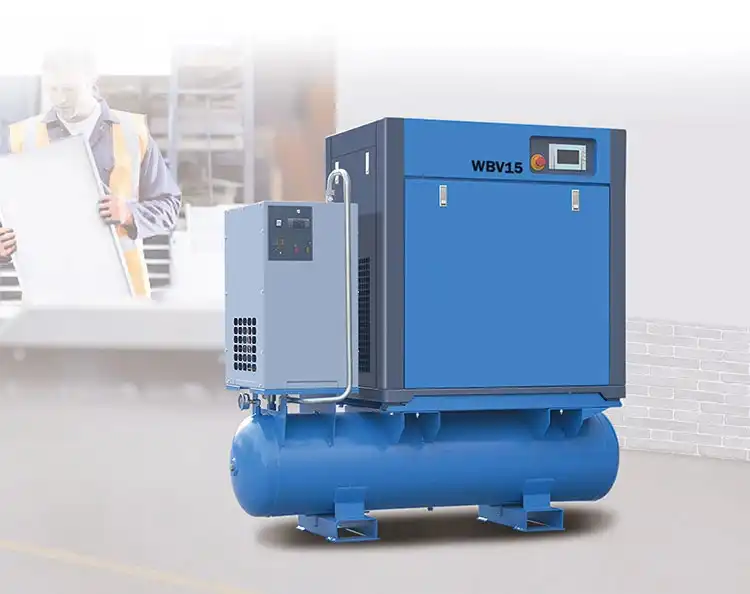
Single-stage air compressors are quieter
When it comes to noise level, single-stage air compressors are the way to go. These machines have fewer moving parts and are quieter than two-stage models. Single-stage air compressors use an axial flow design and can be quieter than their dual-stage counterparts. Single-stage air compressors can run longer and at lower pressures. Single-stage air compressors can be used for light industrial applications. They have a long life expectancy, with some models lasting for over three thousand hours.
While some single-stage air compressors are quieter than two-stage air compressors, both models have noise-reduction features. One type features rubber parts, which are designed to dampen noise. Another feature makes a compressor quieter: its location near the job site. Some models feature rubber base plugs and rubber mats to reduce floor vibrations. In addition to using these features, single-stage compressors are easier to transport.
Noise levels are important when choosing an air compressor. Some machines are too noisy for comfortable work, and some businesses don’t want to expose customers to noise-generating air compressors. Other noise levels can even endanger workers’ health. Single-stage air compressors are more affordable than dual-stage compressors. They are also quieter and more powerful. But be prepared for the noise. Some single-stage air compressors are still noisy.
Compared to their two-stage counterparts, single-stage compressors are quieter when running at full capacity. However, double-stage compressors are quieter on low capacities than single-stage units. Those with variable speed are quietest at lower capacities. The difference is about 10db. If you’re concerned about the noise level, you should consider a two-stage air compressor. But if you have a small workshop, it may not be suitable for you.
One-stage air compressors are generally more efficient than two-stage air compressors. The noise from a two-stage air compressor is lower because there’s no intermediate stage. Single-stage air compressors also use a piston that rotates in a single stage, while dual-stage air compressors, also known as duplex models, are more efficient. A single-stage air compressor is quieter, but double-stage compressors are louder.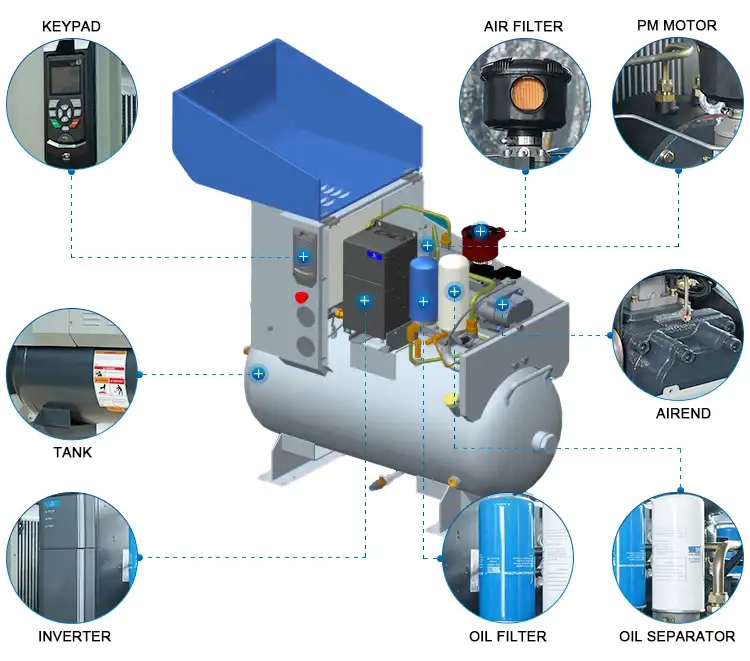
Two-stage air compressors are more energy efficient
Two-stage air compressors are more energy-efficient than single-stage machines. The efficiency of two-stage air compressors is increased through a combination of improved efficiency and increased longevity. These machines can store more air and have higher compression ratios. One model of a two-stage compressor can hold approximately 83 cubic feet of air at 100 PSI and 120 cubic feet at 150 PSI. A two-stage compressor is also quieter.
Two-stage air compressors are more energy-efficient because they have two pistons instead of one. These air compressors achieve a higher pressure rating and recover more quickly. This type of compressor is perfect for jobs that require high air pressure for a prolonged period of time. In addition, they can operate multiple tools simultaneously. This makes them better for commercial and industrial use. Listed below are some benefits of two-stage air compressors.
Single-stage air compressors can power tools in the garage or kitchen, but they are not as reliable for industrial applications. Single-stage compressors have larger parts that tend to experience condensation. Furthermore, single-stage compressors do not last long in continuous use and are less energy-efficient than two-stage ones. Whether you’re using the compressor for a single tradesperson, a small crew, or a large construction crew, two-stage compressors are the best choice.
Single-stage air compressors are often used in small-scale food preparation and production. Single-stage air compressors are easy to transport between locations, and can be plugged into several electrical outlets. Single-stage compressors are also ideal for high-volume food processing. A dual-stage air compressor is ideal for industrial use. In some cases, you can even move the single-stage air compressor between two-stage air compressors.
Single-stage compressors often cycle too quickly, drawing more electricity than two-stage units. A variable speed unit stays on a low speed for hours at a time. Single-stage air conditioners force you to lower your thermostat settings while single-stage air conditioners run too often. Both units are energy-efficient but they are not as energy-efficient as variable-speed compressors. The main difference is that single-stage air conditioners tend to drain the power source quicker.
Piston-driven air compressors are quieter
A piston-driven air compressor is one of the quietest types of air compressors. It is less noisy than reciprocating air compressors. A piston-driven air compressor can reach 62 decibels, while a scroll compressor is around half that volume. The two main components of a scroll air compressor are the piston and the helical screw. These air compressors are both very efficient and quiet.
Older compressors are incredibly noisy. They produce a “wumpa” noise similar to a large engine. They are also capable of producing a high-pitched whine. These noises can be deafening, especially in a small workshop. That’s why it’s essential to look for a quiet compressor. But what makes a compressor quiet? Read on to learn more about this essential tool.
Another difference between piston-driven air compressors and electric-driven air compressors is the power source. Electric air compressors produce less noise than gas-powered compressors, which use an engine. Piston-driven air compressors are also more efficient. They also generate less heat, making them an ideal choice for offices and other settings where noise is a problem. The best way to decide between the two types of air compressors is to check the manufacturer’s warranty and read the ‘Description’.
Noise reduction is the first priority of a compressor’s owner, so make sure that you have the right model. If you’re working on something sensitive, don’t place the compressor too close to a building where people might be nearby. Noise can be very disruptive to the workspace and can cause health problems. To help combat noise, you’ll need to buy a quiet air compressor. And don’t forget to consider its location: Piston-driven air compressors are quieter than their reciprocating counterparts.
Piston-driven air compressors are quiet because the piston is made of thin metal and more rubber, which absorbs the sound. Unlike reciprocating air compressors, piston-driven air compressors are more efficient than their dual-piston cousins, which are quieter and more powerful. So which type is right for you? Take a look at some of the main differences between the two. If you want a quiet compressor, make sure it meets the specifications required by the job you’re working on.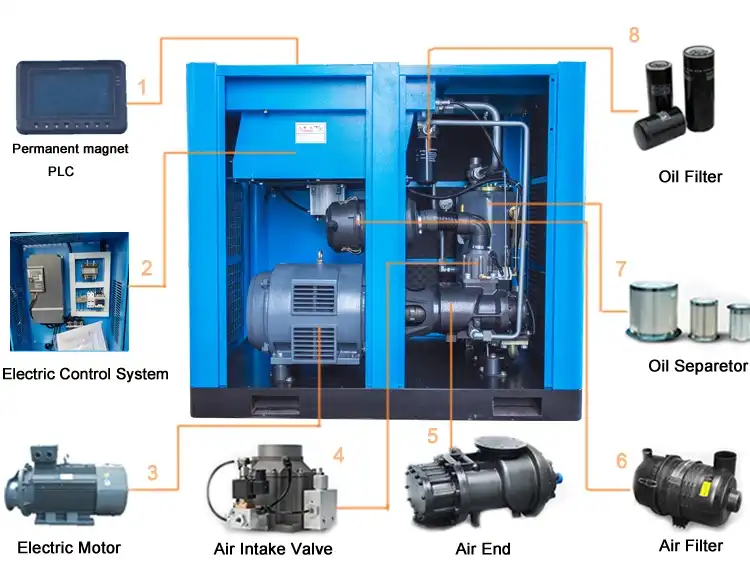
Oil-lubricated air compressors are more cost-effective
There are several reasons why oil-lubricated air compressors are more expensive than dry-type air compressors. First of all, oil-lubricated air compressors tend to be more reliable and quiet. Additionally, oil-lubricated air compressors require fewer parts and can last longer than dry-type air compressors. These are just a few of the many benefits of using oil-lubricated air compressors.
Oil-free air compressors have some disadvantages. They are less durable and may not be as efficient as oil-lubricated models. Additionally, because oil-lubricated air compressors use oil, they can get very noisy. While they are less expensive, they are not the best option for heavy-duty work. However, modern oil-free air compressors have soundproofing and are suitable for industrial use.
When purchasing an oil-lubricated air compressor, make sure to choose one with a tank capacity that meets your needs and your space. Larger tanks can be more expensive than small tanks, but larger units are easier to move around. Also, be sure to consider the weight and size of the portable air compressors when making your choice. If the weight is too large, you may have trouble carrying it from place to place.
Another benefit of using oil-lubricated air compressors is their reduced need for oil. These models can last up to a decade longer than oil-free counterparts. Oil-free air compressors are more affordable and can achieve the same high performance as their oil-lubricated counterparts. Many industrial applications benefit from these air compressors. So, which one is right for you? We’ve listed a few of them below.
Another benefit of choosing an oil-lubricated air compressor is the reduced cost of maintenance. This type is more durable than its oil-lubricated counterparts, which require regular oil changes to keep them running smoothly. However, it is not feasible to transport an oil-lubricated compressor, which means that you must install it permanently to keep it working efficiently. In addition, these air compressors are difficult to move and are not portable, which can limit your ability to use it in a pinch.


editor by czh 2022-12-22