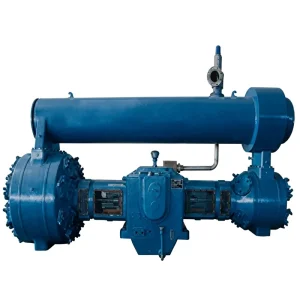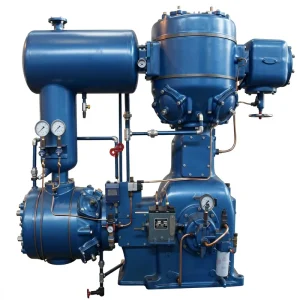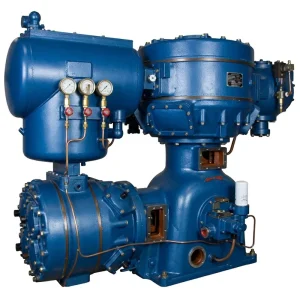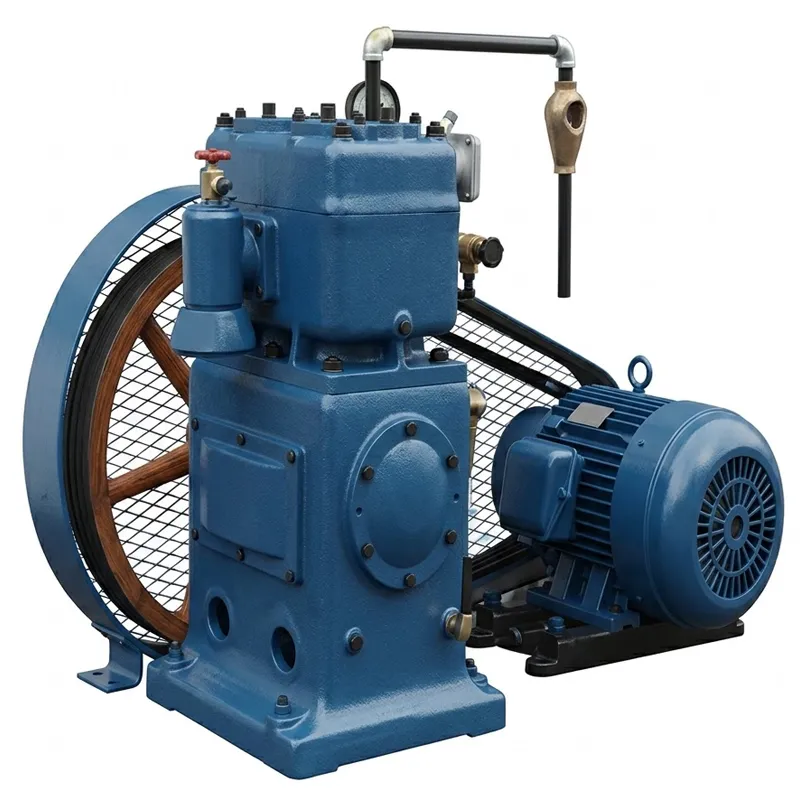
EP-11ZA-1.5/8 Reciprocating Air Compressor
The EP-11ZA-1.5/8 is a compact, single-stage reciprocating air compressor delivering 1.5 m³/min at 0.8 MPa. Driven by a 13 kW motor, its 700 × 680 × 940 mm footprint suits space-constrained workshops. Engineered for reliability, it features a cast-iron crankcase, oil-lubricated splash/pressure system, and forced-air cooling. Designed for continuous-duty cycles, it serves pneumatic tools, PET pre-blowing, and industrial automation. Compliant with ISO 9001 and EU PED standards, it offers a cost-effective, durable solution for light-to-medium industrial applications.
EP-11ZA-1.5/8 Reciprocating Air Compressor
The EP-11ZA-1.5/8 reciprocating air compressor is a compact, single-stage two-cylinder piston machine engineered for reliable, continuous-duty service across a broad spectrum of light-to-medium industrial applications. This reciprocating air compressor delivers a free air delivery of 1.5 m³/min at a rated working pressure of 0.8 MPa — precisely the pressure band demanded by pneumatic tools, instrumentation systems, PET pre-blow stations, and general workshop automation. Driven by a 13 kW three-phase motor at 380 V, the reciprocating air compressor combines energy-efficient compression with a footprint of just 700 × 680 × 940 mm, making it one of the most space-efficient industrial reciprocating compressors available in this output class. As part of our established EP product family, the EP-11ZA-1.5/8 draws on over 70 years of reciprocating air compressor design heritage, ISO 9001-certified manufacturing, and a global after-sales network spanning Europe, the Americas, Asia, and Africa.
1. Technical Specifications
The table below summarises the rated performance parameters for the EP-11ZA-1.5/8 reciprocating air compressor. All performance values are measured at ISO 1217 standard inlet conditions (20 °C, 1 bar absolute, 0 % relative humidity). In Europe and particularly in France, any reciprocating air compressor operating above 0.5 bar gauge is subject to the Pressure Equipment Directive 2014/68/EU (PED), and operators must ensure local declaration of conformity and periodic inspection records are in place before commissioning this or any comparable reciprocating air compressor unit.
| Parameter | Value | Unit / Note |
|---|---|---|
| Model | EP-11ZA-1.5/8 | — |
| Cylinder Arrangement | Two-column, Single-stage | Reciprocating piston air compressor type |
| Free Air Delivery (FAD) | 1.5 | m³/min |
| Discharge Pressure (rated) | 0.8 | MPa (≈ 8 bar / 116 psi) |
| Motor Power | 13 | kW |
| Supply Voltage | 380 | V (3-phase, 50 Hz) |
| Overall Dimensions (L × W × H) | 700 × 680 × 940 | mm |
| Machine Weight | 0.35 | t (350 kg) |
| Cooling Method | Air-cooled (forced fan) | — |
| Lubrication Type | Oil-lubricated (splash/pressure circuit) | Dedicated reciprocating air compressor oil required |
| Reference Noise Level | ≤ 75 | dB(A) at 1 m |
| Ambient Temperature Range | -5 ~ +40 | °C |
| Quality Certification | ISO 9001 (certified continuously since 2001) | — |
Two stage Reciprocating Air Compressor
2. Reciprocating Air Compressor Working Principle
Understanding the reciprocating air compressor working principle helps operators configure, maintain, and troubleshoot this class of equipment with confidence. In a reciprocating air compressor, atmospheric air enters through an inlet filter and passes a spring-loaded suction valve into the cylinder bore. As the crankshaft rotates — driven by the motor via a V-belt transmission — the piston moves downward on its induction stroke, creating a partial vacuum that draws a fresh charge of air into the compression chamber. When the piston reverses and travels upward, the inlet valve closes and the trapped air charge is compressed progressively within the diminishing cylinder volume. Once internal pressure reaches the rated 0.8 MPa discharge pressure, the discharge valve opens and the compressed air flows through the aftercooler and into the receiver tank or downstream pipework.
This single stage reciprocating air compressor configuration completes the entire compression process in a single piston stroke, making it well suited to working pressures up to approximately 1.0 MPa without requiring the inter-stage cooling and additional valve sets of a two-stage design. The two-column layout provides mechanical balance — each of the two pistons moves in opposition to some extent — which reduces vibration transmitted to the floor structure and pipework compared with a single-cylinder vertical arrangement. An integrated flywheel smooths torque delivery throughout the crankshaft rotation cycle, while the forced-air cooled aftercooler brings discharge temperature down to safe levels before air enters the system. A deep understanding of the design of reciprocating air compressor systems is essential when sizing pipework, selecting receiver capacity, and setting automatic pressure-switch differentials for intermittent-duty operation — all factors our technical team can assist with during pre-sales consultation for European buyers.
Lubrication of the crankshaft, connecting-rod bearings, and cylinder walls in this reciprocating air compressor is handled by a combination of splash and pressure-feed systems using a dedicated reciprocating air compressor oil. This oil-lubricated approach — in contrast to an oilless compressor — delivers significantly longer service life for piston rings, cylinder bores, and crankshaft bearings, allowing the EP-11ZA-1.5/8 to operate reliably under the demanding duty cycles common in French and European manufacturing facilities. Automatic pressure switches stop and restart the motor to maintain system pressure within the design band, protecting both the reciprocating air compressor and downstream pneumatic equipment from over-pressure damage while maximising energy efficiency during periods of low air demand.
3. Five Key Product Advantages
At just 700 × 680 × 940 mm and 350 kg, this reciprocating air compressor delivers 1.5 m³/min without demanding large plant-room allocations. Facilities across France and Europe frequently operate in converted industrial buildings with limited headroom — this unit's modest dimensions make it straightforward to position, anchor, and commission without specialist lifting equipment or civil foundation work, providing a tangible advantage over heavier industrial reciprocating compressors in the same pressure class.
The crankcase and cylinder block of this reciprocating air compressor are precision-machined from high-grade cast iron — the same material specification used across the broader range of industrial reciprocating compressors manufactured at our facility since 1951. Cast iron's inherent damping properties reduce vibration-induced fatigue on pipework joints and mounting hardware, extending maintenance intervals and reducing total cost of ownership over the machine's service life — a critical factor when evaluating any reciprocating air compressor for long-term plant deployment.
Every EP-series reciprocating air compressor is produced under an ISO 9001-certified quality management system maintained continuously since 2001. Our on-site provincial-level Compressor Research Institute, heat-treatment facility, pressure-vessel sub-plant, and comprehensive test centre allow each critical component — from raw castings through final assembly — to be manufactured and verified in-house. This vertical integration removes the quality variability that arises with multiple sub-suppliers and gives procurement teams in regulated markets a clear, auditable quality chain for every reciprocating air compressor unit.
Standard supply voltage is 380 V / 50 Hz three-phase, directly compatible with EU industrial power infrastructure and IEC 60034 motor specifications. This unit connects to standard European panels without step-down transformers. Valves, piston rings, packing sets, belts, and oil-filter elements — the highest-turnover reciprocating air compressor parts — are stocked for rapid global dispatch, supporting the fast maintenance turnaround that industrial operators in France and across Europe depend on to minimise production downtime.
The manufacturing facility behind this reciprocating air compressor range has supplied equipment to global industrial groups including Linde, Messer, Solvay, AkzoNobel, Foster Wheeler, and Moody International — clients whose procurement standards require demonstrable engineering depth. This commercial track record, alongside recognition as a "China Gas Industry Famous Brand" (2017) and CGMA Compressor Sub-Association Deputy Chairman membership, confirms consistent product quality and long-term reliability across demanding applications worldwide — reassuring for buyers evaluating reciprocating compressor manufacturers on a global shortlist.
4. Materials & Construction
The durability of any reciprocating air compressor depends on the material choices made at the design stage for each sub-assembly. For the EP-11ZA-1.5/8 reciprocating air compressor, the crankcase and cylinder block are cast from pearlitic grey iron (GG-25 / HT250 equivalent), selected for its combination of high compressive strength, good machinability, and excellent thermal conductivity. These properties help dissipate the heat generated during each compression cycle and maintain tight bore tolerances over thousands of hours, keeping this reciprocating air compressor performing within specification long after cheaper alternatives would require cylinder reboring or block replacement.
The crankshaft is forged from high-strength carbon steel and precision-ground to the surface finish required for hydrodynamic bearing film formation. Connecting rods are likewise steel forgings with phosphor-bronze small-end bushings providing low-friction articulation at the piston pin. Pistons are aluminium alloy — keeping reciprocating mass low to reduce bearing loads and extend service life in this reciprocating piston air compressor. Multi-piece cast-iron piston rings, including compression rings and oil-control rings, maintain cylinder sealing across the full operating temperature range and are among the most important reciprocating air compressor parts to inspect during scheduled maintenance intervals.
Suction and discharge valves — the highest-wear components in any reciprocating air compressor — are manufactured from stainless steel strip using precision blanking, providing fatigue resistance and corrosion immunity even when handling humid ambient air in coastal or riverside industrial locations common across France's northern and western industrial corridors. External pipework connections are carbon steel with NPT and BSP thread options available. All surface treatments comply with RoHS guidelines, and no REACH-regulated substances (CLP Regulation (EC) No 1272/2008) are present in any component accessible to operators during routine maintenance of this reciprocating air compressor.
5. Application Scenarios
This reciprocating air compressor is designed to serve a broad range of industrial sectors where a reliable, moderate-output compressed air source is essential. The following are the primary environments where the EP-11ZA-1.5/8 reciprocating air compressor performs most effectively.
On the factory floor, this reciprocating air compressor drives impact wrenches, air ratchets, spray guns, and pneumatic cylinders from a common receiver tank. The 1.5 m³/min FAD supports multiple simultaneous tool connections in small-to-medium workshops, making this air compressor machine a preferred choice for automotive body shops, metal fabrication units, and light assembly lines throughout France, the Benelux region, and Southern Europe. Its moderate footprint and standard electrical specification reduce installation complexity significantly compared with larger units.
In food and beverage facilities — a significant segment of France's industrial landscape — compressed air at 0.8 MPa is used for pneumatic conveying, actuating filling-line valves, and packaging operations. This reciprocating air compressor, when combined with appropriate point-of-use filtration as required by EU Regulation (EC) No 852/2004 on food hygiene, provides a steady compressed air supply suitable for indirect food-contact applications. The robust stainless-steel valve materials resist the humid washdown environments common in food and dairy processing plants.
This oil-lubricated reciprocating air compressor can supply a correctly specified downstream purification train — coalescing filters, activated carbon filters, and a sterile final filter — to deliver instrument-quality air for tablet coating presses, blister-pack formers, and analytical instruments meeting EN ISO 8573-1 purity classifications. This approach typically costs less than specifying a fully oil-free scroll compressor while achieving the same downstream purity standards required by pharmaceutical GMP regulations applicable across the EU and in France specifically.
On construction sites and in industrial maintenance operations, this reciprocating air compressor drives sandblasting equipment, concrete breakers, and surface-treatment guns. The recip compressor design's ability to handle variable load demands — running at full capacity during blasting cycles and idling when no tool is active — makes it more energy-efficient than constant-speed rotary units under the intermittent-duty schedules typical on French construction sites and industrial maintenance contracts. The unit's low weight relative to output also simplifies site-to-site transport.
This reciprocating air compressor operates at 0.8 MPa — exactly the pressure range used for pre-blowing PET preforms in injection-stretch-blow moulding lines. Pairing this reciprocating air compressor with an ISBM machine from our associated product line creates a matched one-stop supply solution — one supplier, one technical contact, and fully documented system compatibility for packaging manufacturers across France and global markets.
Industrial process control systems — from valve actuators on chemical pipelines to pneumatic interlocks in power substations — depend on a stable compressed air supply. This reciprocating air compressor, upstream of a desiccant dryer and filtration package, supplies instrument-grade air at the required dew point for safety-critical pneumatic interlocks and shutdown systems. This application is particularly relevant for customers in the French energy and chemical sectors, where EN 12021-compliant air purity is mandated by occupational safety regulations and facility insurance requirements.
6. Regulatory Compliance — France & Global Markets
Anyone procuring and installing a reciprocating air compressor in France or elsewhere in the EU needs to understand the legal framework governing pressure equipment. The following is an overview — it is not a substitute for qualified local engineering or legal advice tailored to your specific reciprocating air compressor installation.
European Union / France: The Pressure Equipment Directive 2014/68/EU (PED) classifies pressure equipment by pressure × volume; vessels connected to a reciprocating air compressor may require CE marking, Notified Body assessment, and a Declaration of Conformity. In France, the arrêté du 20 novembre 2017 ("arrêté relatif aux équipements sous pression") mandates periodic inspection by an approved Organisme Accrédité. The Code du travail (Articles R4313-1 onwards) requires safety reviews for pressure-generating equipment in French workplaces, including documented operator training and maintenance plans. Noise emissions must be declared per EN ISO 11203 under the Machinery Directive 2006/42/EC — relevant given the ≤ 75 dB(A) noise level of this reciprocating air compressor.
ISO & IEC Standards: This reciprocating air compressor is performance-rated to ISO 1217 (Displacement Compressors — Acceptance Tests). The motor complies with IEC 60034. Compressed air purity is classifiable per EN ISO 8573-1. Vibration limits are assessed per ISO 10816.
North America: Units exported to the USA should be evaluated against ASME Section VIII for connected receivers and OSHA 29 CFR 1910.169 for compressed air in general industry. Canadian installations follow CSA B51. UL or CSA listing for the motor control panel is typically required by insurers.
Australia & Asia-Pacific: Australian Standard AS 3788 governs in-service inspection of this category of pressure equipment. South Korea's Safety Control of Dangerous Machinery and Equipment Act regulates compressed air equipment in industrial workplaces. Singapore requires Pressure Vessel Examination by an Authorised Examiner under the Workplace Safety and Health Act before commissioning a receiver vessel exceeding 250 litres with any reciprocating air compressor.
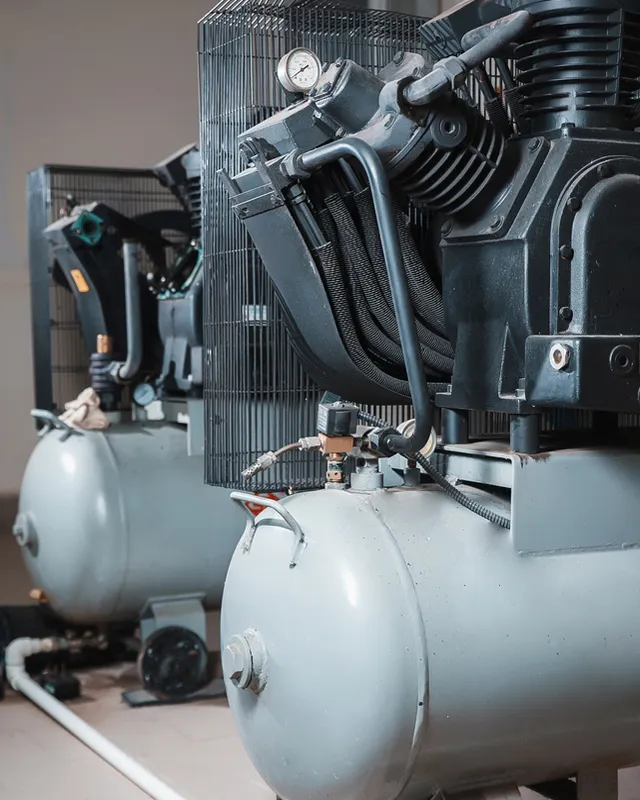
7. Reciprocating Air Compressor vs Rotary Screw
When evaluating compressed air equipment, many plant engineers in France and across Europe ask how to choose between a reciprocating air compressor vs rotary screw unit for their specific application. The answer depends on duty cycle, pressure requirement, maintenance philosophy, and total capital budget. Below is a balanced comparison to help you decide which type fits your needs.
| Factor | Reciprocating Air Compressor | Rotary Screw Compressor |
|---|---|---|
| Duty cycle | 60–80 % (intermittent) | 100 % (continuous) |
| Pressure ceiling | Up to 32+ MPa in multi-stage | Typically up to 1.3 MPa |
| Capital cost | Lower upfront investment | Higher initial outlay |
| Maintenance | More parts; straightforward in-house servicing | Fewer parts; often specialist-only service |
| Noise output | 70–80 dB(A) typical | 60–70 dB(A) typical |
| Best suited for | High pressure, variable demand, intermittent duty | Continuous high-volume, steady-demand applications |
For applications at 0.8 MPa with moderate daily usage, this reciprocating air compressor delivers lower total cost of ownership than a comparable screw unit, particularly where maintenance is handled in-house using readily available reciprocating air compressor spare parts. Understanding the full design of reciprocating air compressor systems — from valve geometry to crankshaft stroke — also makes it significantly easier for in-house engineers to carry out first-level diagnostics without specialist tools or proprietary software, a real advantage that many operators only appreciate after experiencing screw compressor servicing costs.
8. About Us
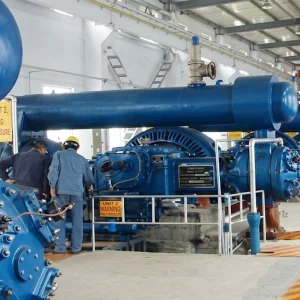
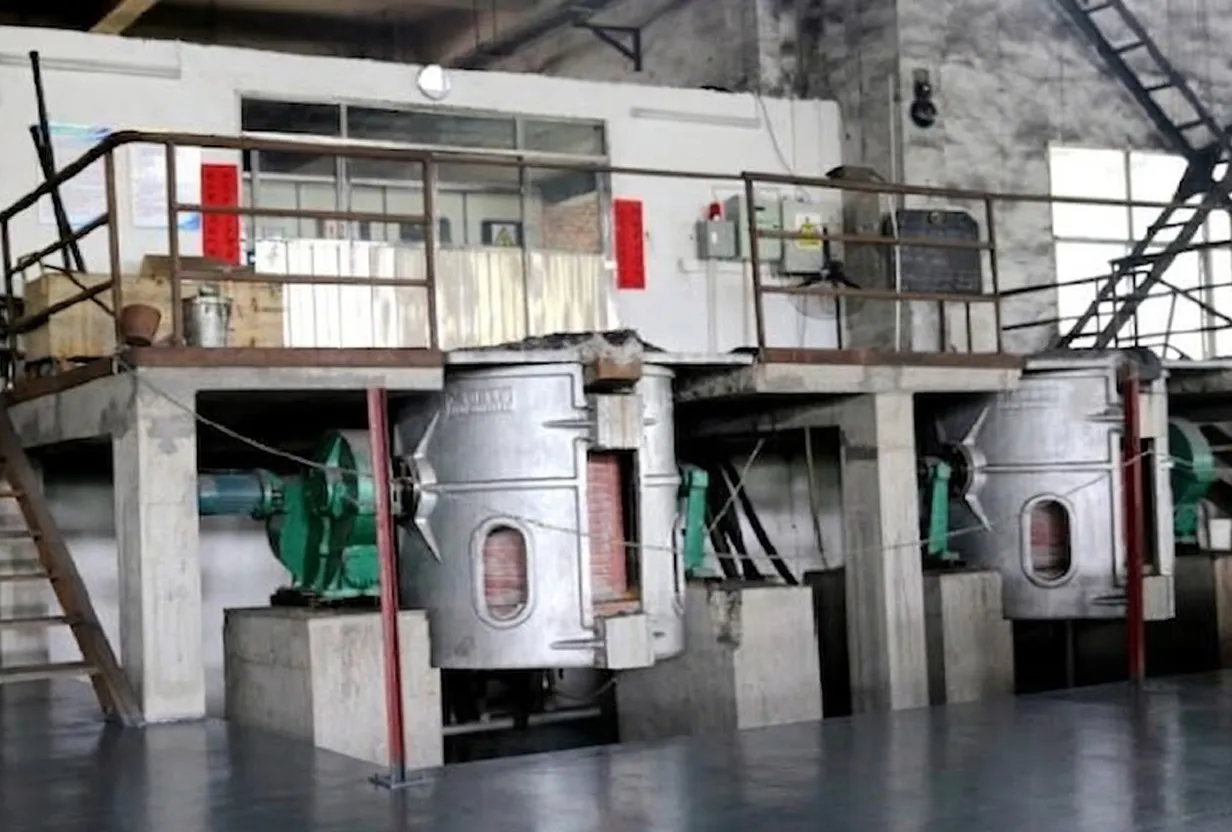
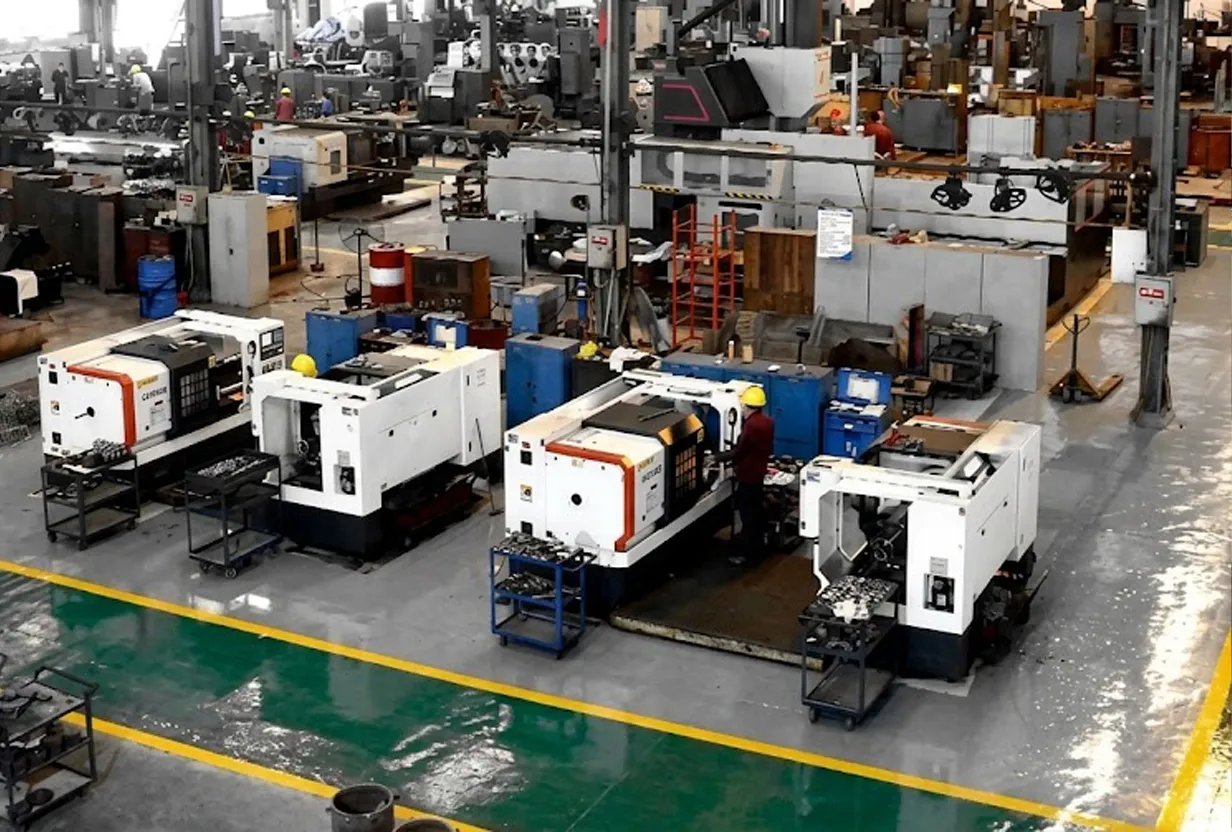
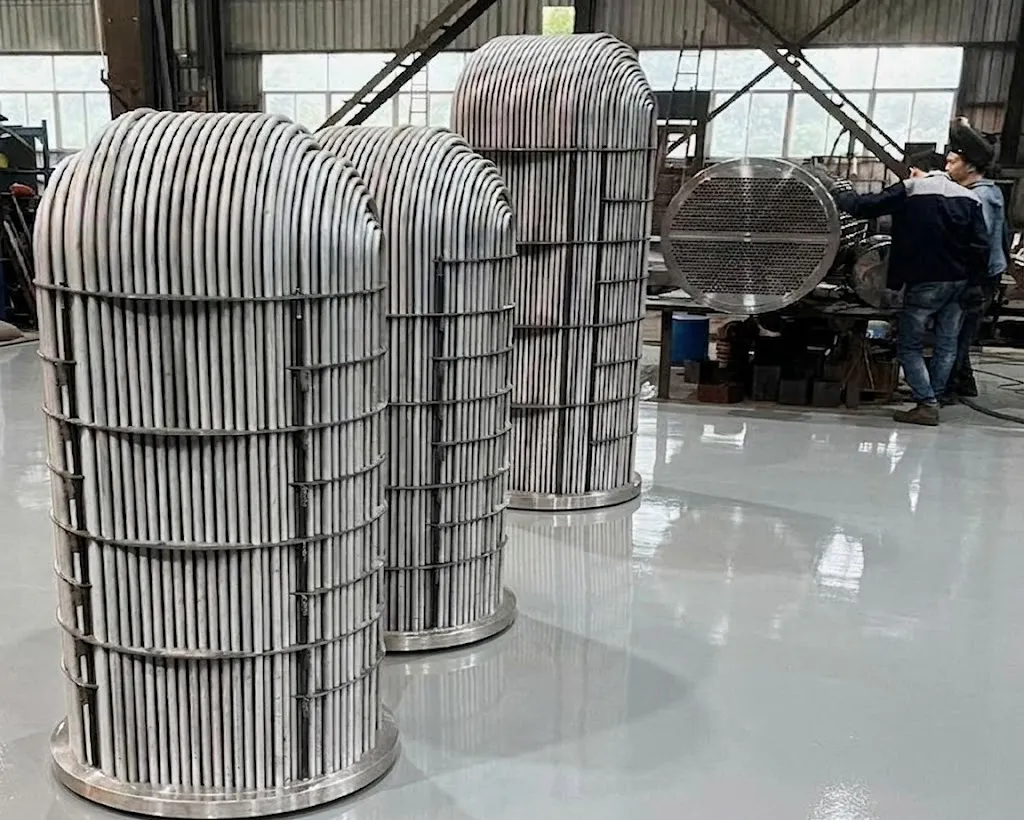
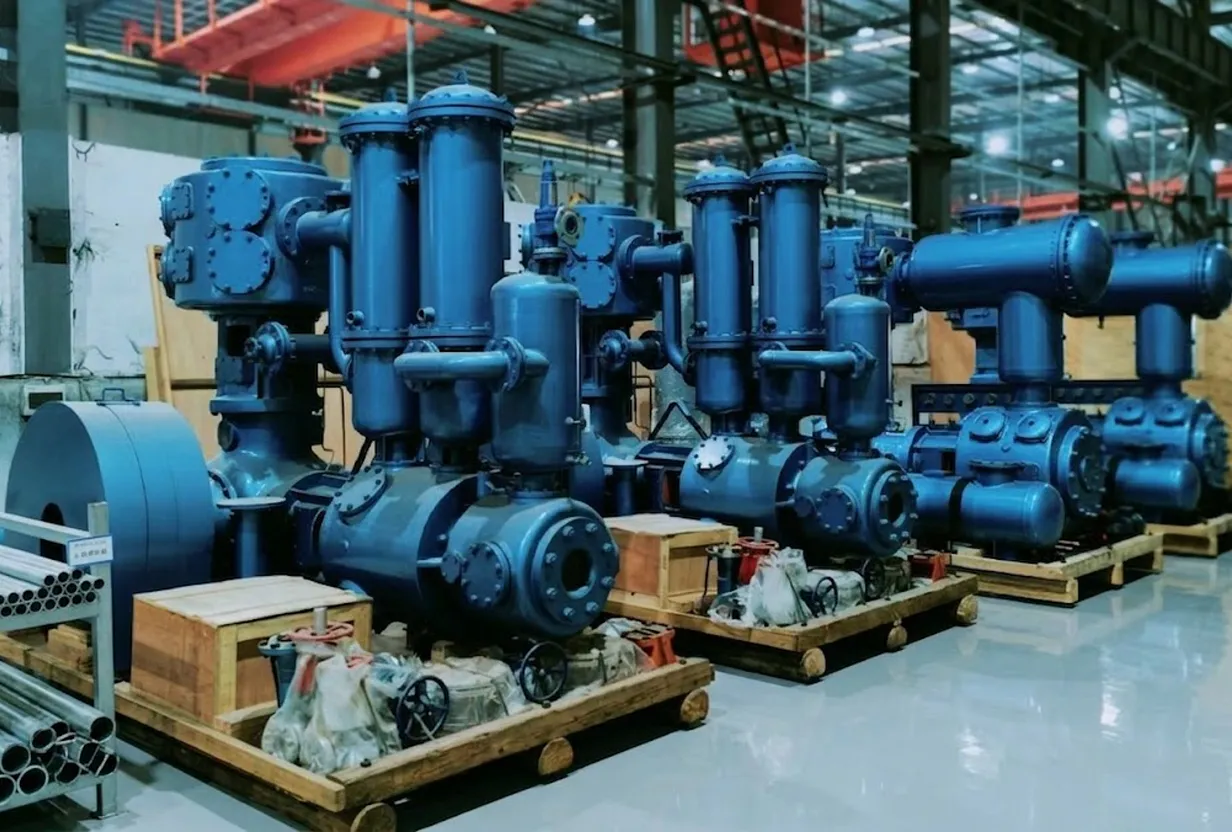
The facility covers 260 mu (approximately 17.3 hectares), with 92,000 m² of factory floor area across seven sub-plants: casting, machining, heat treatment, pressure vessel fabrication, final assembly, paint/test, and spare-parts warehousing. A team of 320 staff — including engineers from our provincial-level Compressor Research Institute — design, manufacture, test, and certify every reciprocating air compressor and gas compressor product on-site. The vertically integrated production chain gives us end-to-end control over component consistency from raw-material input through finished-goods inspection. Annual output capacity exceeds 250 million RMB, and total assets stand above 300 million RMB.
Continuous ISO 9001 certification since 2001, compressor production licences, and pressure vessel design/manufacturing permits covering Class I, II, and selected Class III equipment underpin our standing as one of the most comprehensively qualified reciprocating compressor manufacturers serving global markets. Our product range spans piston, screw, and diaphragm compressors handling air, nitrogen, oxygen, argon, hydrogen, CO₂, acetylene, natural gas, and mixed industrial process gases — from 0.1 Nm³/min to 600 Nm³/min and pressures from 0.1 to 32 MPa. This depth means that when a customer's needs change — for instance, upgrading from an air compressor to a process gas compressor — they stay with a supplier they already trust.
WorkShop
9. Related Products & System Compatibility
Our manufacturing range extends beyond the reciprocating air compressor series to include complementary equipment that integrates naturally into a complete compressed-air system or production line. Sourcing multiple system components from a single supply network — spanning this reciprocating air compressor, associated motors, and downstream blow-moulding equipment — simplifies procurement, ensures technical compatibility, and provides one point of accountability for the entire process train.
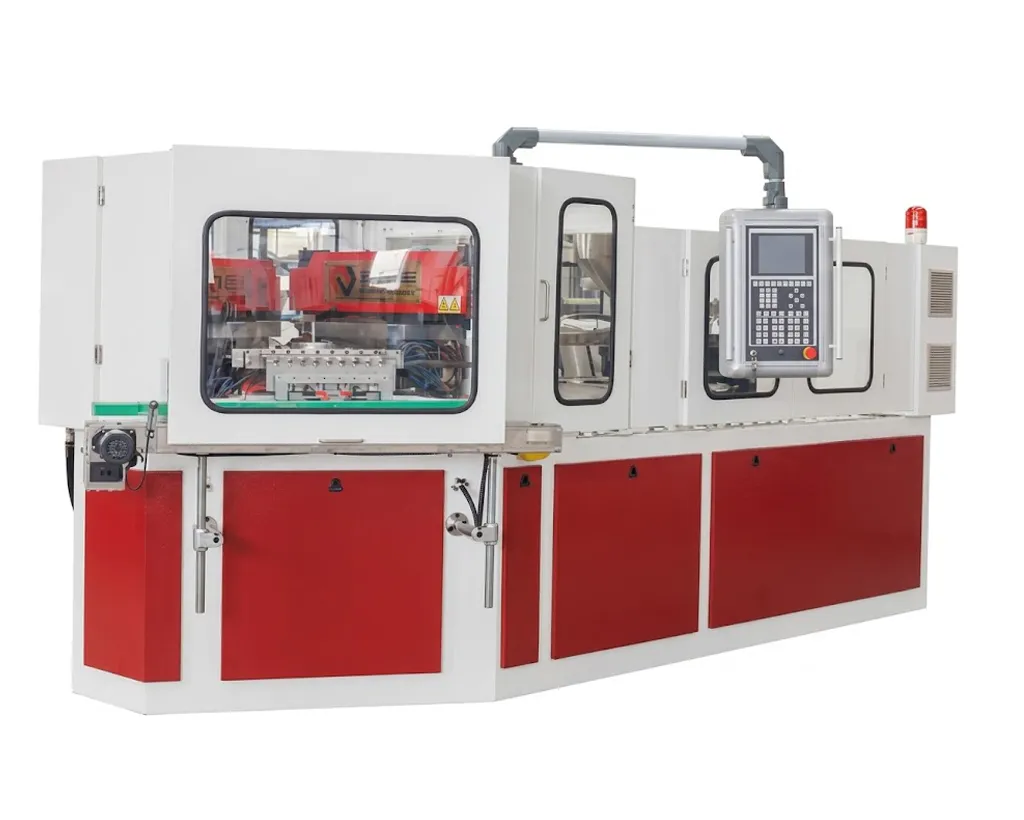
For customers in PET packaging, this reciprocating air compressor at 0.8 MPa is a natural match for a one-step injection-stretch-blow moulding machine. The reciprocating air compressor handles the pre-blow stage while a high-pressure booster manages the final stretch-blow. Sourcing both units from the same affiliated supply network eliminates interface risk and supports a single-supplier relationship for your core bottle production process. Learn more: ISBM machine product range.
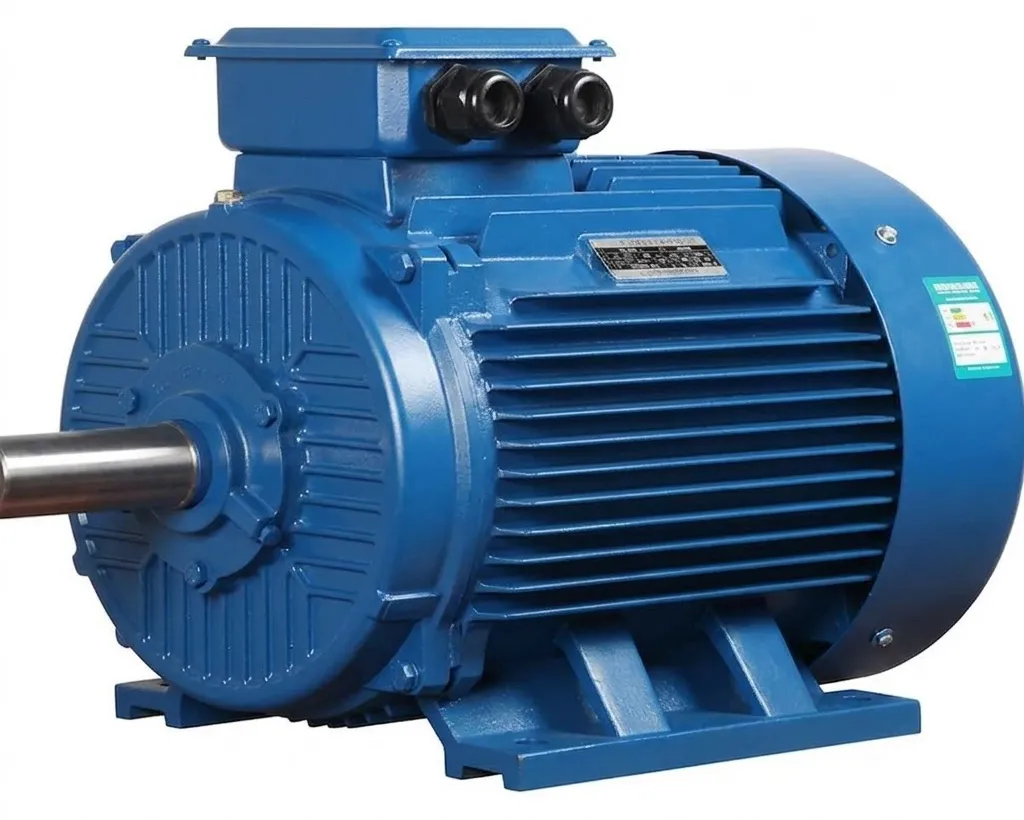
When a motor replacement is required for this or any EP-series reciprocating air compressor — whether due to site voltage differences, IE3/IE4 efficiency-class upgrades under EU Regulation 2019/1781, or winding failure — our Three Phase Asynchronous Motor range covers the relevant frames and power outputs. Specifying a motor from the same production ecosystem ensures dimensional compatibility, reduces lead times for spare parts, and simplifies the maintenance inventory managed by your engineering team. Contact our technical team with your compressor serial number for the correct motor specification.
Frequently Asked Questions
Q1. What exactly is a reciprocating air compressor and how does it differ from a screw compressor used in European industrial plants?
A reciprocating air compressor uses a motor-driven piston moving back and forth inside a cylinder to mechanically compress air. A rotary screw compressor instead uses two interlocking helical rotors to trap and progressively squeeze air. Piston compressors typically cost less upfront, reach higher pressures, and handle intermittent demand more efficiently. Screw compressors are quieter and better suited to continuous 100 % duty cycles. For many European manufacturing plants with moderate compressed-air demand and occasional peak loads, a well-specified reciprocating air compressor like the EP-11ZA-1.5/8 delivers a lower total cost of ownership and simpler in-house maintenance.
Q2. What are the main disadvantages of reciprocating compressors that buyers in France should factor into their purchasing decision?
The primary trade-offs of a reciprocating air compressor are noise (typically 70–80 dB(A), which may require acoustic enclosures under Code du travail Article R4431 in French workplaces), vibration (requiring anti-vibration mounts and flexible pipework connections), and a recommended duty cycle of around 60–80 % rather than 100 % continuous operation. For applications genuinely requiring oil-free air at source — certain pharmaceutical or electronics processes — an oil-lubricated reciprocating air compressor needs downstream filtration rather than being inherently oil-free. If that is the case, consider an oil free reciprocating air compressor variant from our catalogue.
Q3. How do I select the right reciprocating air compressor oil for the EP-11ZA-1.5/8 to protect the lubrication system correctly?
For this reciprocating air compressor, use a dedicated reciprocating air compressor oil — typically a mineral-based or synthetic PAO grade at ISO VG 100 viscosity, formulated with rust inhibitors, oxidation stabilisers, and anti-foam additives. Avoid hydraulic oil, motor oil, or general-purpose machine oil, as these can cause valve varnishing and ring sticking in any reciprocating air compressor. Change the crankcase oil every 1,000–2,000 operating hours or annually if this comes first. In cold French winters, a lower-viscosity cold-start grade may be required — our technical team can advise on specific supplier recommendations for your operating environment and this reciprocating air compressor model.
Q4. What size air compressor do I need to reliably run multiple pneumatic air tools simultaneously in a French automotive workshop?
This depends on the total air demand of all tools running concurrently. A typical impact wrench consumes 0.15–0.25 m³/min; an air ratchet around 0.10 m³/min; a spray gun 0.20–0.35 m³/min. Add the consumption of all simultaneous users, then apply a 20–30 % margin for peaks and line losses. For a workshop running three to four tools simultaneously, the EP-11ZA-1.5/8 reciprocating air compressor at 1.5 m³/min FAD is well matched. For larger workshops with five or more concurrent users, consider the next output tier in our reciprocating air compressor range — our team can calculate the correct size for your specific tool inventory.
Q5. Where can I find reliable reciprocating compressor manufacturers who supply spare parts and technical support to customers in France and Western Europe?
When evaluating reciprocating compressor manufacturers, look for ISO 9001 certification, in-house R&D capability, and documented references with internationally recognised industrial clients. Our facility, operational since 1951 with ISO 9001 continuously since 2001, has supplied compressor packages to companies including Linde, Solvay, and AkzoNobel. Our international service team handles enquiries from European buyers directly, and key reciprocating air compressor spare parts — valve assemblies, piston rings, packing glands, and oil-filter elements — are available for express dispatch to France and other EU destinations within agreed lead times.
Q6. How does a single acting reciprocating air compressor differ from a double acting design, and which suits light industrial use better?
A single acting reciprocating air compressor compresses air on the piston's downward stroke only; the upstroke is induction. A double-acting design compresses on both strokes by sealing both faces of the piston — effectively doubling output per cylinder. Double-acting designs are common in larger industrial reciprocating compressors above 30 kW. For light industrial applications where the EP-11ZA-1.5/8 reciprocating air compressor is positioned, a single-acting two-cylinder arrangement provides adequate output with simpler piston-rod sealing, easier in-house maintenance, and lower capital cost — the right balance for the majority of small-to-medium European workshop operators.
Q7. When would a pharmaceutical or food processing facility in France need an oil-free reciprocating air compressor rather than an oil-lubricated model like this one?
If compressed air contacts the product directly — in sterile filling, direct injection moulding of food containers, or breathing-air systems — then an oil free reciprocating air compressor eliminates hydrocarbon contamination risk at source and simplifies validation under EU GMP Annex 1 or ISO 8573-1 Class 0 requirements. An oil-lubricated reciprocating air compressor with downstream filtration can meet the same purity class but requires more rigorous filter-change management and monitoring logs. For applications where compressed air actuates valves and cylinders without contacting the product, a well-filtered oil-lubricated reciprocating air compressor is typically the more economical solution and satisfies all relevant EU workplace and product-safety regulations.
Q8. What is the difference between a reciprocating piston air compressor and a reciprocating gas compressor, and can the EP series handle gases other than air?
Mechanically both share the same piston-and-cylinder principle. The differences lie in materials selection, sealing system design, and safety classification. An air compressor uses standard grey-iron valves and mineral-oil lubrication compatible with oxygen-containing gas. A reciprocating gas compressor handling flammable or toxic gases requires explosion-proof motor specifications, specialised packing gland materials, gas-tight crankcase ventilation, and compliance with ATEX Directive 2014/34/EU for equipment in explosive atmospheres. Our broader product range includes gas-specific variants rated for nitrogen, oxygen, CO₂, hydrogen, and mixed industrial gases — making us a single-source supplier for buyers who may need to scale beyond an air compressor to a process gas compressor in future.
Editor: PXY