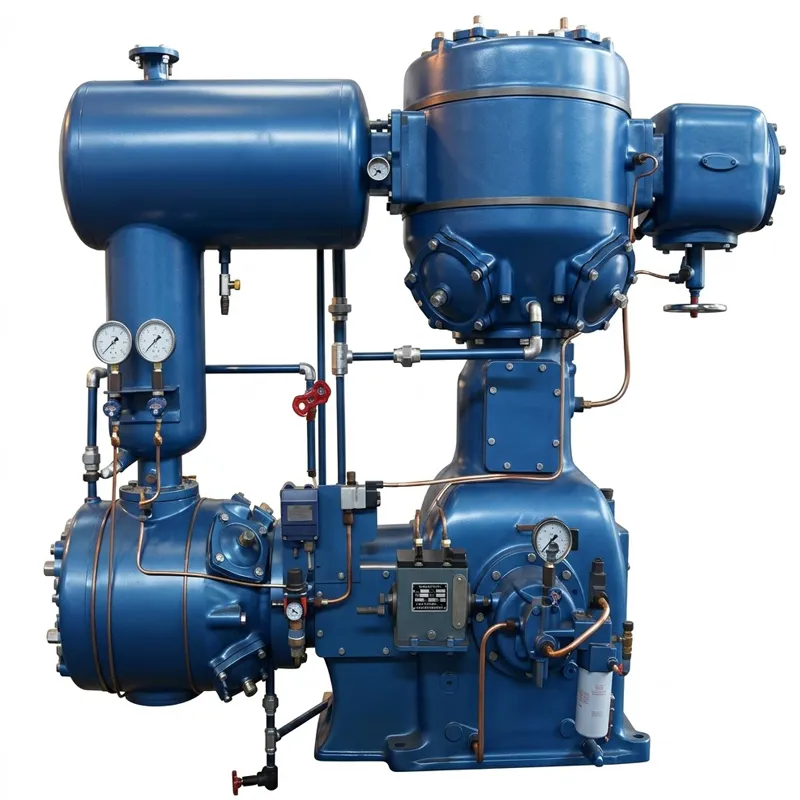
EP-4L-20/8 Reciprocating Air Compressor
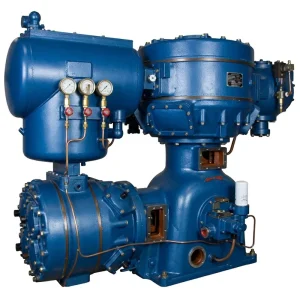
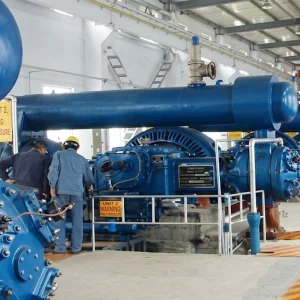
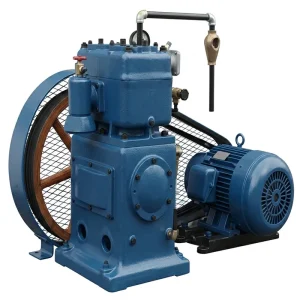
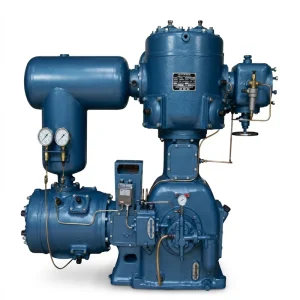
The EP-4L-20/8 Reciprocating Air Compressor. The designation “4L” refers to the four-cylinder L-type frame arrangement, and “20/8” encodes a nominal free-air delivery of 20 m³/min against a maximum working pressure of 0.8 MPa. This reciprocating piston air compressor operates on a proven crank-connecting-rod-piston mechanism, making it one of the most field-reliable designs available at this power class. Engineers and procurement specialists across France, the UK, and global export markets consistently select this reciprocating compressor model for industrial processes that demand steady, high-volume airflow with minimal unplanned downtime.
Compared to rotary screw variants, the reciprocating air compressor vs rotary screw debate often lands firmly in favour of the piston design when the duty cycle allows for intermittent loading, when high outlet pressure is required at moderate flow, or when the operating environment demands very simple field-serviceable components. The EP-4L-20/8 is particularly valued by facilities that maintain their own engineering teams, since all reciprocating air compressor parts are individually replaceable and widely available.
Industrial Reciprocating Air Compressor Series
EP-4L-20/8 Reciprocating Air Compressor
The EP-4L-20/8 reciprocating air compressor is a robust, two-stage, two-cylinder piston-type industrial air compressor machine engineered for demanding continuous-duty environments. Delivering a rated displacement of 20 m³/min at a discharge pressure of 0.8 MPa, this recip compressor handles the heaviest compressed-air workloads in manufacturing, chemical processing, and energy sectors worldwide — including buyers across France, Germany, and the broader European market who require reliable, ISO-certified industrial air compressor equipment.
1. Reciprocating Air Compressor Technical Specifications
The table below summarises the factory-verified performance and dimensional parameters for the EP-4L-20/8 compressor. All data is referenced from the manufacturer's certified engineering datasheet.
| Parameter | Specification | Remarks |
|---|---|---|
| Model | EP-4L-20/8 | L-series, 4-cylinder layout |
| Compressor Type | Two-column, Two-stage Reciprocating | \ |
| Free-Air Delivery (FAD) | 20 m³/min | Measured at inlet conditions |
| Rated Discharge Pressure | 0.8 MPa (8 bar) | Maximum working pressure |
| Drive Motor Power | 132 kW | Three-phase induction motor |
| Supply Voltage | 380 V / 50 Hz | Custom voltage available on request |
| Overall Dimensions (L×W×H) | 2260 mm × 1550 mm × 1935 mm | Main unit, excluding ancillary piping |
| Unit Weight | 2.50 t | Operating weight, dry |
| Cooling Method | Air-cooled / Water-cooled (optional) | Intercooler and aftercooler standard |
| Lubrication | Splash + pressure force-feed | Oil-lubricated crankcase |
| Noise Level (at 1 m) | ≤ 82 dB(A) | Complies with EN ISO 2151 |
| Ambient Temperature Range | 5 °C – 40 °C | Standard operating envelope |
| Quality Certification | ISO 9001 | Continuously certified since 2001 |
2. Reciprocating Air Compressor Working Principle
Understanding the reciprocating air compressor working principle is essential for anyone specifying or operating this class of equipment. In a reciprocating piston air compressor, a crankshaft converts the rotational motion of the drive motor into linear reciprocating motion of one or more pistons inside cylinders. As each piston moves outward (downward in vertical-cylinder configurations), it creates a low-pressure zone that opens the suction valve and draws atmospheric air into the cylinder. When the piston reverses and moves back inward, the air is trapped, the suction valve closes, and the gas is progressively compressed until it forces open the discharge valve and exits into the inter-stage or aftercooler circuit.
The EP-4L-20/8 uses a two-stage compression sequence: the first stage compresses ambient air from atmospheric pressure to an intermediate pressure of roughly 0.25–0.30 MPa. This partially compressed gas is then passed through an intercooler — a heat exchanger that removes the heat of compression — before entering the second-stage cylinders, where it is compressed further to the final rated discharge pressure of 0.8 MPa. Two-stage compression substantially improves energy efficiency compared to a single-stage piston machine, because reducing the temperature between stages lowers the specific volume of the gas entering the next compression stage. The four-cylinder L-type layout also balances reciprocating inertia forces, resulting in lower vibration levels and longer bearing life. Proper reciprocating air compressor oil circulation, maintained via the combined splash-and-pressure lubrication system, ensures that all bearing surfaces, piston rings, and cylinder walls remain adequately protected throughout the operating cycle.
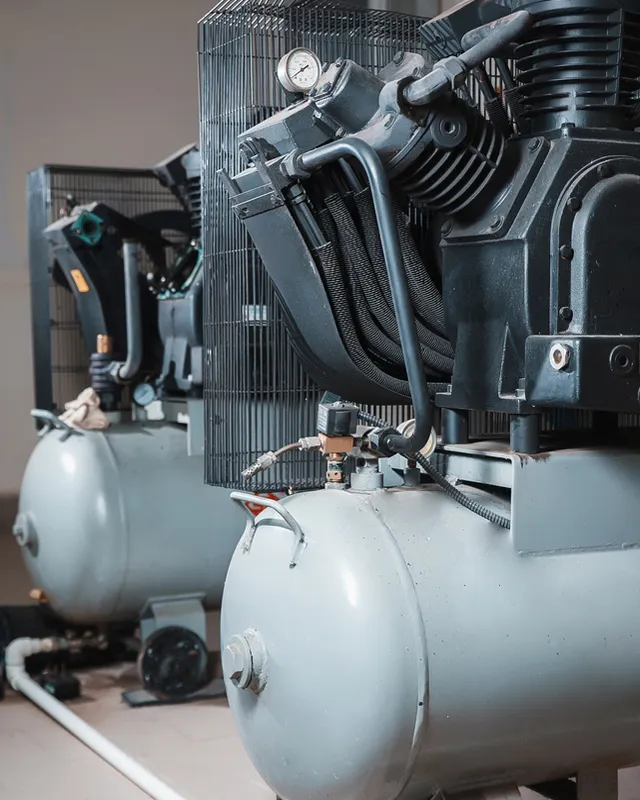
3. Five Key Performance Advantages of Reciprocating Air Compressor
High-Volume, Reliable Output
With a free-air delivery of 20 m³/min, the EP-4L-20/8 industrial reciprocating compressor sustains full rated flow continuously, making it ideal for large-scale pneumatic systems, high-throughput production lines, and centralised compressed-air networks where consistent pressure is non-negotiable.
Two-Stage Efficiency
The two-stage intercooled design delivers measurably better energy efficiency per unit of compressed air produced compared to single-stage piston machines at the same pressure. Lower discharge temperatures also reduce downstream moisture content and extend the service life of compressed-air accessories such as dryers and filters.
Simple, Field-Serviceable Design
All reciprocating air compressor parts — valves, piston rings, gaskets, connecting-rod bearings — are standardised and readily available. Maintenance teams across France, Europe, and global markets can overhaul the machine in-house, avoiding costly specialist call-out fees and minimising mean time to repair.
Robust Industrial-Grade Construction
Cast-iron crankcase, grey-iron cylinder barrels, forged-steel crankshaft, and precision-machined connecting rods give this recip compressor the structural integrity needed to operate 24/7 in harsh plant environments. The unit's 2.50-tonne mass contributes to inherent vibration damping without the need for elaborate isolation systems.
ISO 9001 Certified Manufacturing
Manufactured under a quality management system continuously certified to ISO 9001 since 2001, this compressor undergoes rigorous factory acceptance testing before dispatch. Buyers in the EU and globally receive documentation suitable for local permitting, CE marking verification, and insurance requirements.
4. Materials & Construction of Reciprocating Air Compressor
The build quality of the EP-4L-20/8 reflects decades of engineering refinement in industrial reciprocating compressor manufacture. Each major component is selected to balance strength, machinability, and long-term corrosion resistance under continuous compressed-air service.
| Component | Material | Key Property |
|---|---|---|
| Crankcase / Frame | High-strength grey cast iron (HT250) | Excellent vibration damping and dimensional stability |
| Cylinder Barrel | Alloy cast iron, honed bore | Wear-resistant, maintains ring seal over extended service |
| Crankshaft | Forged alloy steel, ground journals | High fatigue strength, suitable for continuous operation |
| Connecting Rod | Drop-forged carbon steel | High tensile strength, precision-bored big-end bore |
| Piston | Aluminium alloy (low-pressure stage) / Cast iron (high-pressure stage) | Optimal mass balance; superior heat transfer |
| Piston Rings | Cast iron / PTFE-composite (optional oil-free ring set) | Low friction, consistent gas sealing |
| Valve Plates | High-alloy spring steel | Fatigue-resistant, self-acting valve design |
| Intercooler / Aftercooler | Carbon steel tube and shell (copper fin optional) | High thermal efficiency, pressure-vessel certified |
| Bearings | Babbitt-lined shell bearings (main + big-end) | Conformable, embeddable — tolerates minor misalignment |
| Drive Belt / Coupling | V-belt drive or direct flexible coupling | Smooth power transmission, easy adjustment |
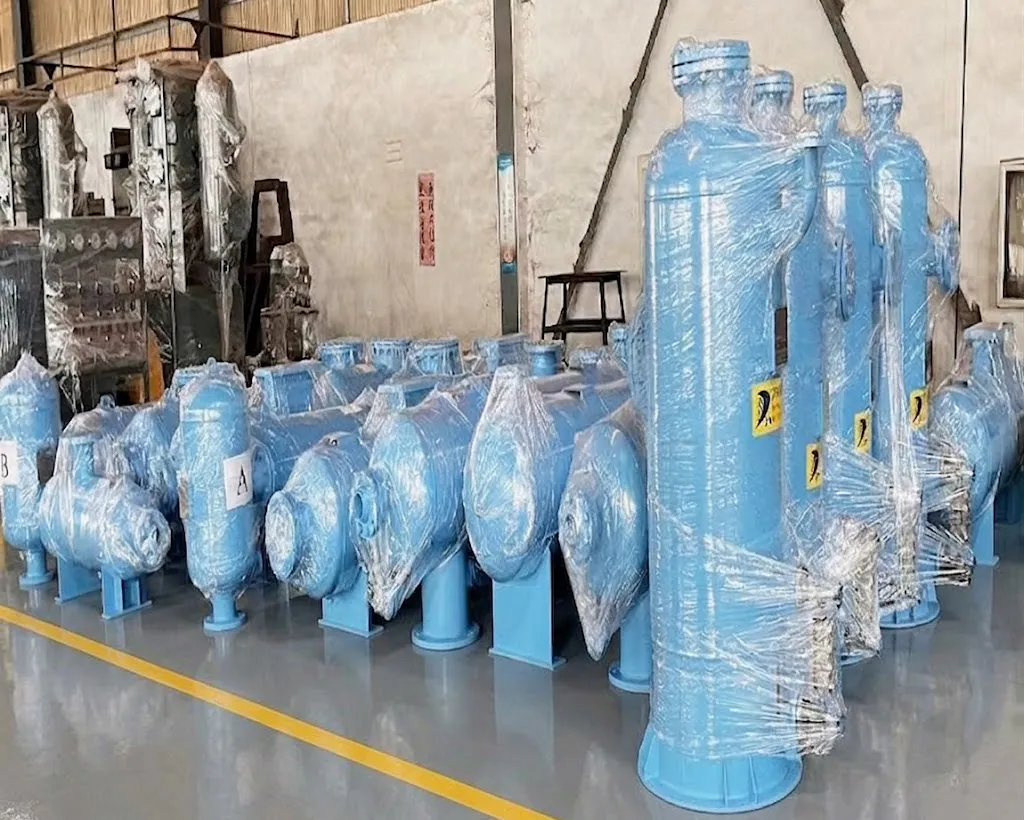
5. Application Scenarios Of The Reciprocating Air Compressor
The EP-4L-20/8 reciprocating air compressor is engineered for versatile industrial use. Its combination of high flow rate, robust two-stage design, and straightforward maintenance profile makes it the preferred air compressor machine in a wide range of process industries across Europe, Asia, the Americas, and beyond.
◆ Petrochemical & Refinery Plants
Large-scale oil refineries and petrochemical complexes rely on industrial reciprocating compressors to supply instrument air, process gas make-up, and pneumatic control systems. The EP-4L-20/8's robust cast-iron construction and oil-lubricated design suit continuous-service environments where process uptime is critical. Compliance with ATEX Directive 2014/34/EU is achievable through appropriate motor and enclosure selection for hazardous-zone installations in France and the EU.
◆ PET Bottle Blow Moulding (ISBM Lines)
One of the most demanding applications for any industrial piston compressor is PET stretch-blow moulding. High-pressure air at 0.7–1.0 MPa is used to expand pre-heated parisons into finished bottles at high cycle rates. The EP-4L-20/8 supplies reliable pre-blow air to ISBM machine lines, ensuring consistent cavity filling and minimal bottle defects. Its stable output pressure is particularly important where bottle-wall thickness tolerances are tight and any pressure fluctuation causes rejects.
◆ Automotive & Metal Fabrication
Automotive assembly plants, stamping facilities, and metalworking shops use high-volume compressed air for pneumatic tools, robotic actuators, paint-spray booths, and clamping fixtures. The 20 m³/min capacity of this industrial reciprocating compressor comfortably serves multi-station assembly lines without pressure drop. Where air quality is important for painting operations, downstream filtration and drying equipment can be integrated into the station design.
◆ Food & Pharmaceutical Processing
Although this is an oil-lubricated piston compressor, food and pharma facilities that require oil-free air in contact zones can deploy the EP-4L-20/8 as the primary compression unit feeding a downstream point-of-use oil-free scroll compressor or membrane dryer system. The high-volume primary compression stage offloads the smaller secondary equipment, reducing overall energy consumption across the compressed-air station.
◆ Mining & Quarrying
Pneumatic drilling, rock-breaking, and ore-handling equipment in surface and underground mining operations demand sustained high-pressure airflow. The EP-4L-20/8 reciprocating gas compressor design is well-suited to these abrasive, dusty environments where simpler mechanics and easy field access for spare parts reduce the operational cost of compressed-air supply per shift.
◆ Oxygen / Nitrogen Air Separation Plants
Deep-cryogenic air-separation units and VPSA oxygen-generation systems require reliable instrument and process air supply. The proven reciprocating compressor piston design is compatible with the precise pressure-control requirements of molecular-sieve and membrane separation processes, and its low oil-carryover levels — when maintained correctly — protect downstream adsorber beds from contamination.
6. Regulatory Compliance & Standards
Industrial air compressor equipment is subject to various national and international regulations depending on the country of installation. Buyers are advised to confirm applicable requirements with their local authority before commissioning.
| Region / Country | Key Regulation / Standard | Scope |
|---|---|---|
| EU / France | Machinery Directive 2006/42/EC; PED 2014/68/EU; ATEX 2014/34/EU | CE marking; pressure-vessel conformity; hazardous-area classification |
| France (specific) | Code du travail, Article R4543-1 – R4543-21; INRS Guide ED 6193 | Workplace compressor safety, periodic inspection, noise at work |
| UK (post-Brexit) | PSSR 2000; UKCA Marking; PUWER 1998 | Pressure systems safety; work equipment inspection |
| USA | ASME Section VIII (pressure vessels); OSHA 29 CFR 1910.169; CAGI standards | Receiver tanks, workplace air safety, performance testing |
| Germany | BetrSichV (Betriebssicherheitsverordnung); DIN EN ISO 1012 | Operational safety; reciprocating compressor performance testing |
| Australia | AS/NZS 2971; Work Health and Safety Regulations 2011 | Pressure equipment design registration; inspection intervals |
| China (Origin) | GB/T 4980; GB 150; Special Equipment Safety Law | Compressor performance testing; pressure vessel manufacturing licence |
| ISO (International) | ISO 1217 (Displacement compressors, acceptance testing); ISO 2151 (Noise); ISO 9001 (QMS) | Performance verification; noise measurement; quality management |
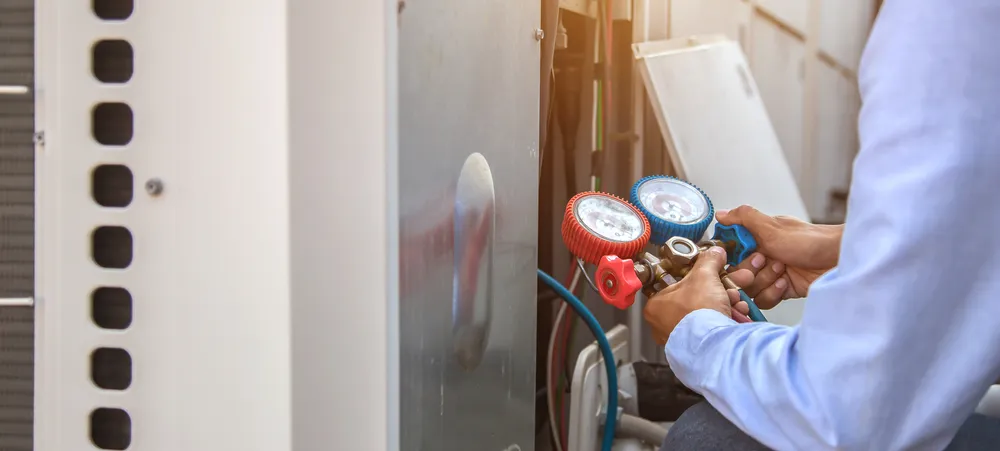
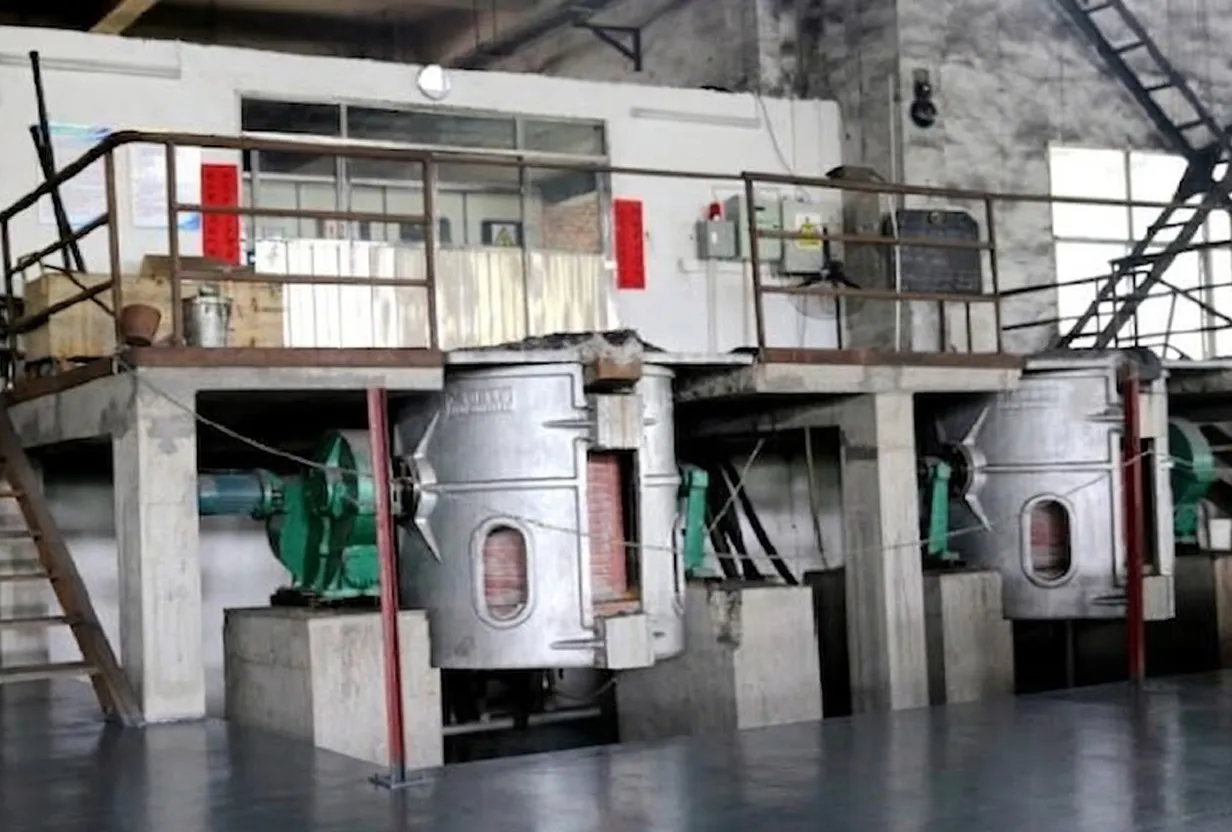
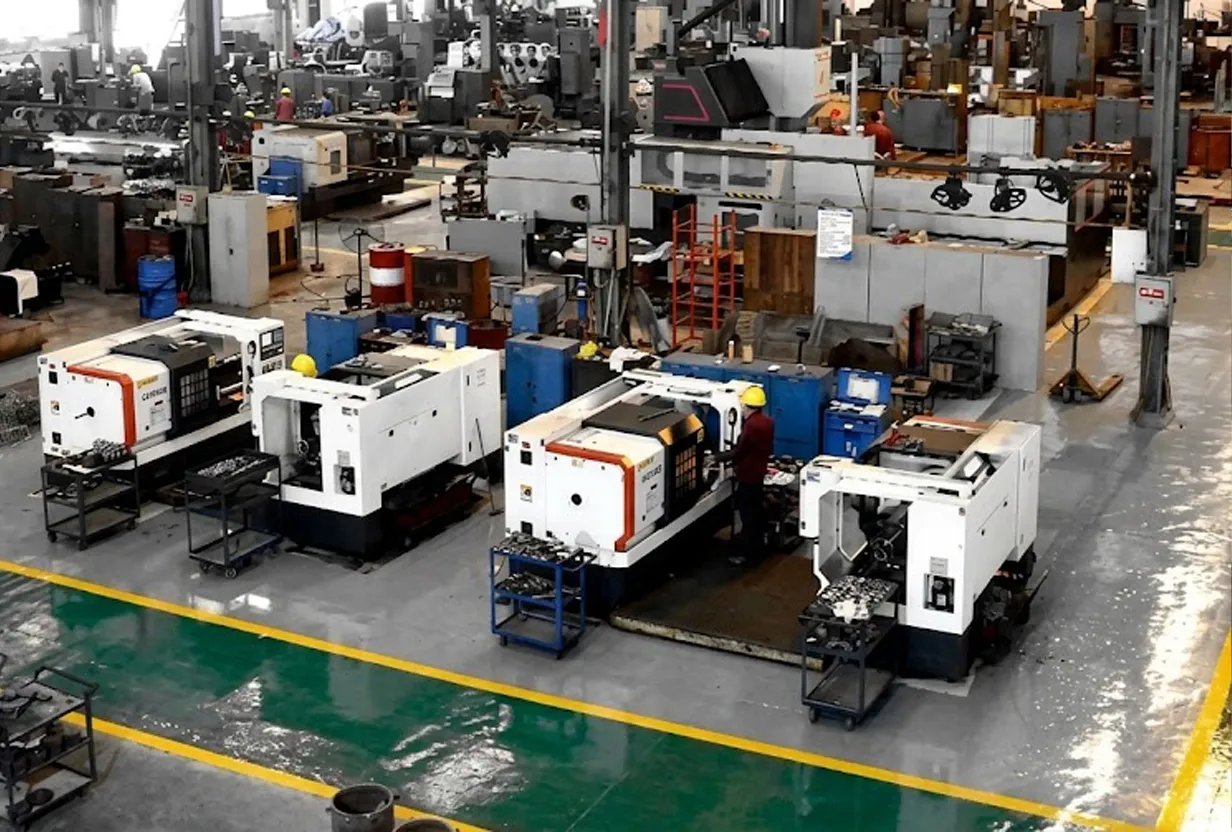
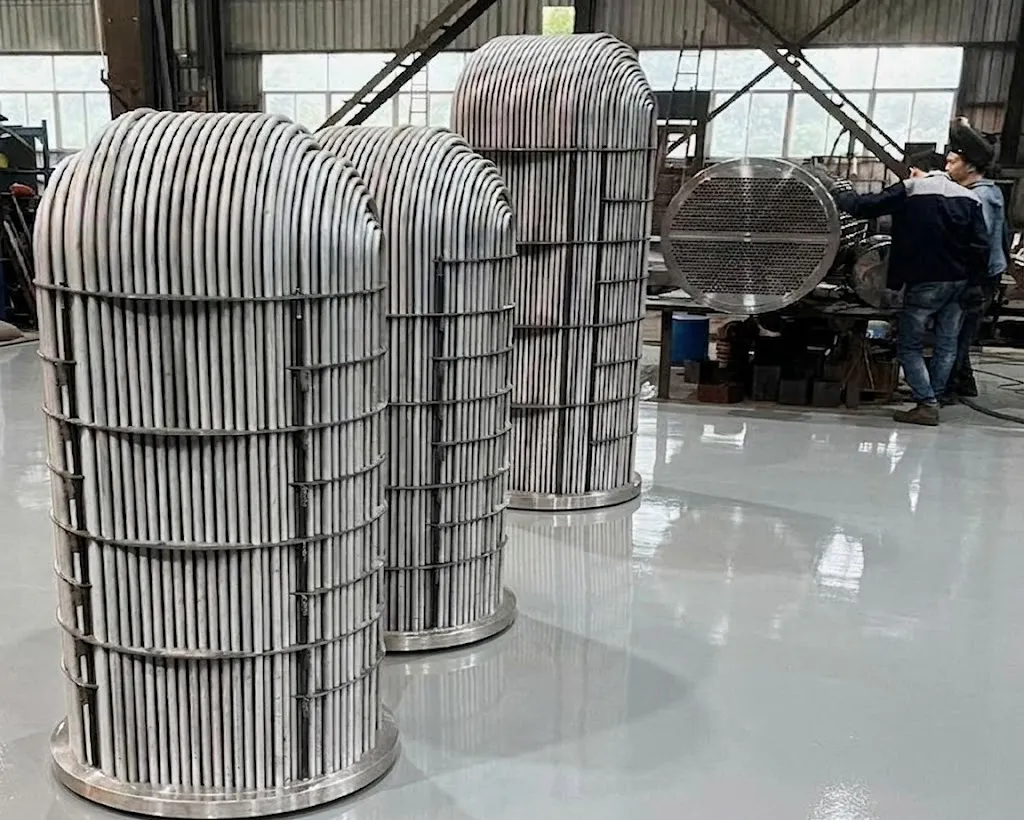
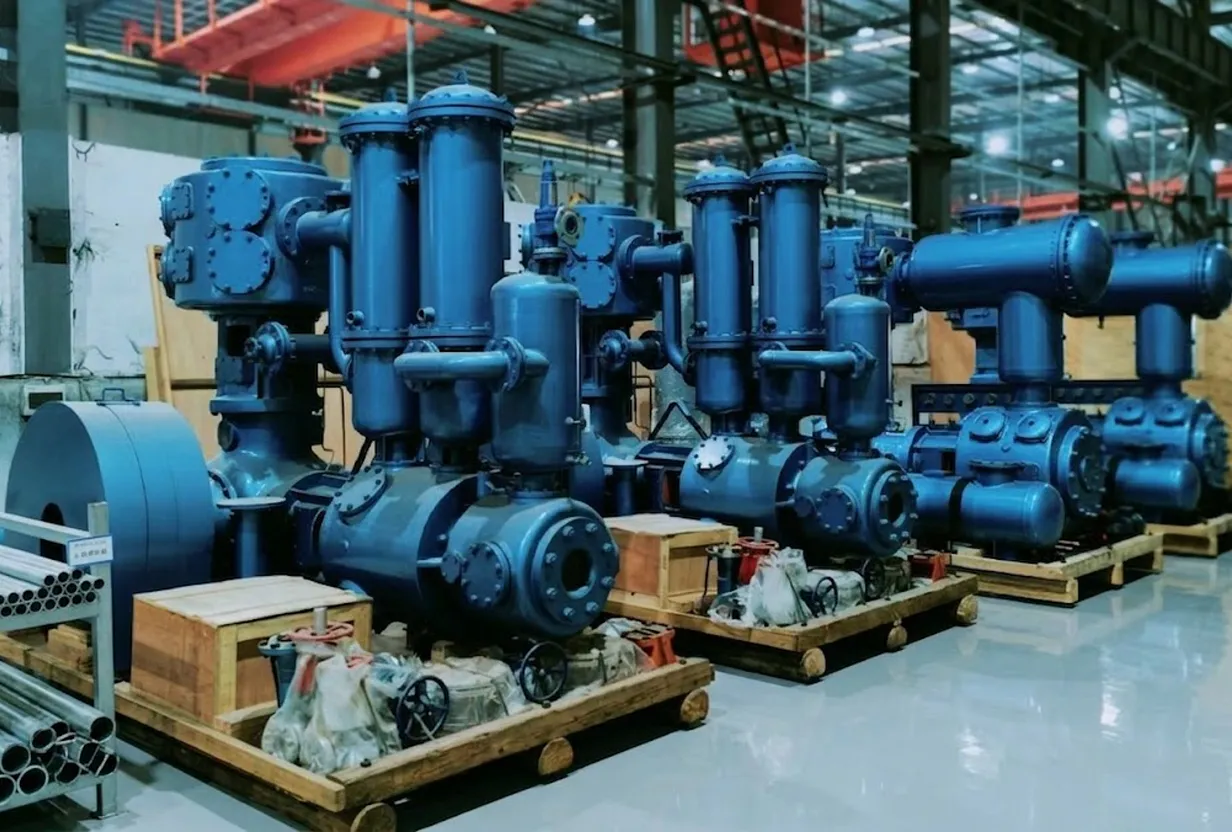
WorkShop
7. Related Products & System Compatibility
The EP-4L-20/8 reciprocating air compressor pairs naturally with downstream equipment in the same compressed-air or industrial processing chain. Our one-stop supply capability means you can source the compressor and compatible accessories from a single, verified supplier — simplifying procurement, reducing logistics complexity, and ensuring system-level compatibility from the outset.
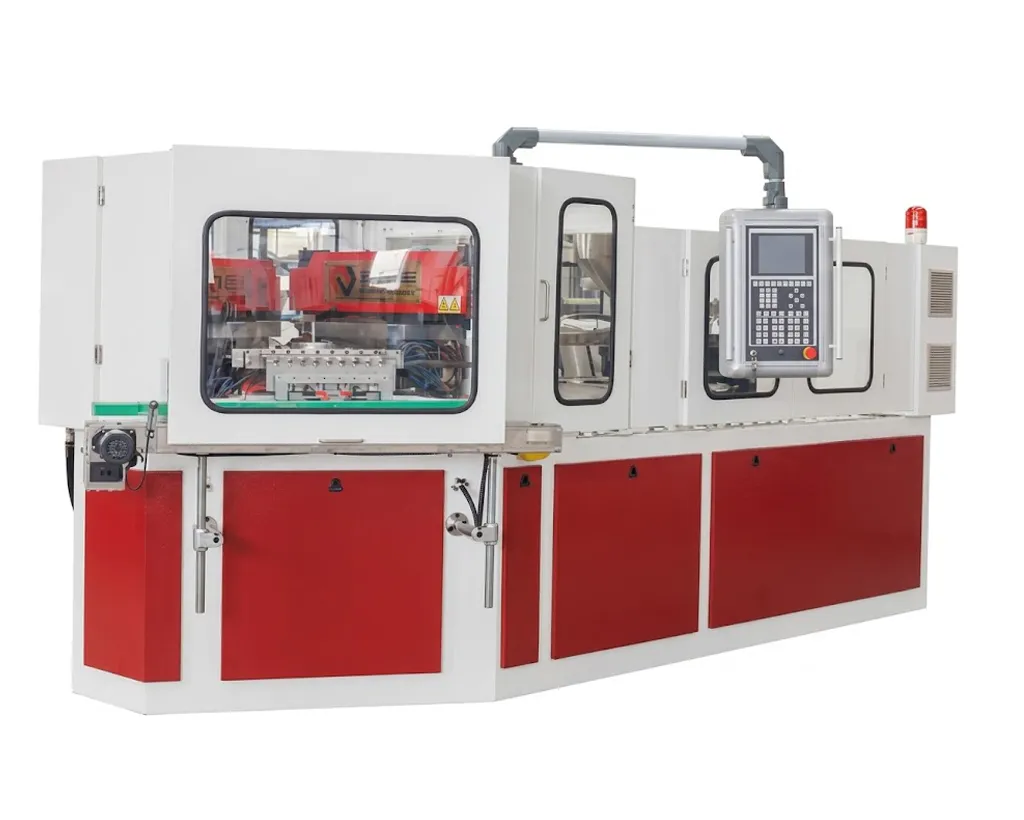
ISBM Machine (One-Step Injection Stretch Blow Moulding)
For PET bottle production facilities, the EP-4L-20/8 is the natural air supply partner for one-step ISBM lines. High-pressure air at a stable 0.8 MPa is precisely what blow-moulding cavities require during the stretch-blow cycle. Combining this industrial air compressor with an ISBM machine from our portfolio gives packaging manufacturers a fully integrated, single-source compressed-air and forming solution, backed by unified technical support.
Three Phase Asynchronous Motor
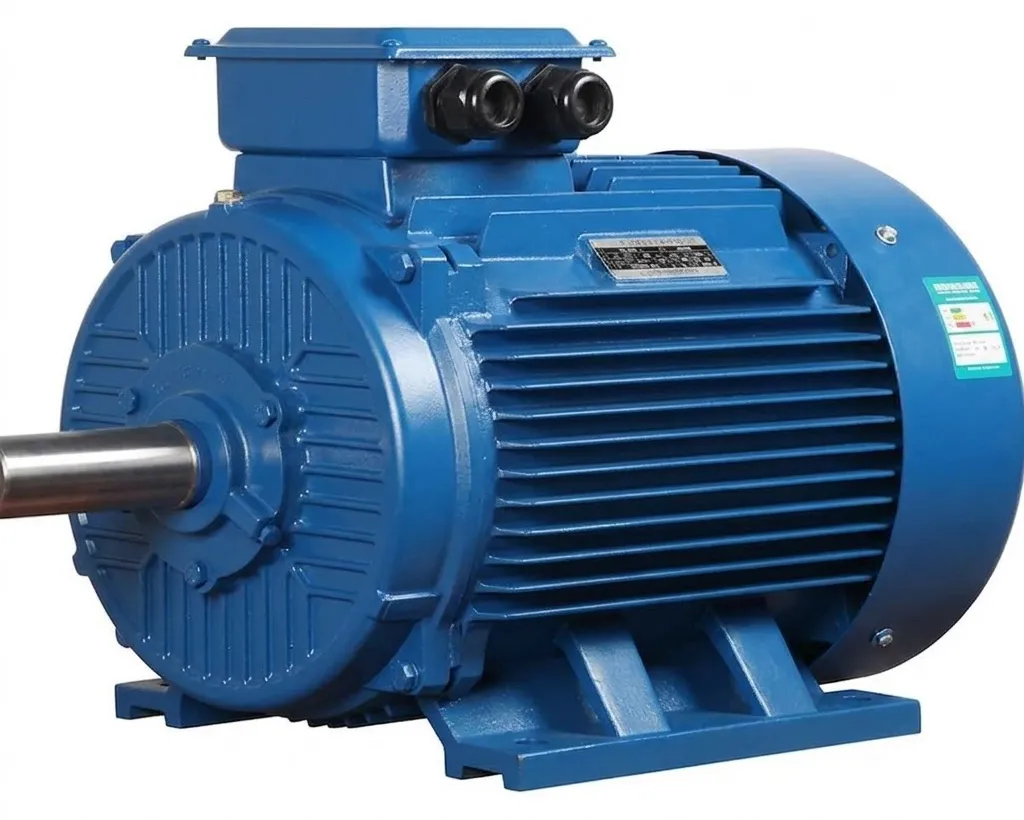
The EP-4L-20/8 is driven by a three-phase asynchronous motor rated at 132 kW. Our full series of IE3-compliant induction motors covers the entire reciprocating compressor product range, ensuring electrical compatibility, spare-parts continuity, and optimised energy performance across the whole compressed-air station. Sourcing the drive motor together with the compressor unit removes the risk of voltage or flange mismatch, and simplifies warranty management for the complete drive train.
Frequently Asked Questions
Q1. What is a reciprocating air compressor and how does it differ from a rotary screw unit? ▼
Q2. Which reciprocating air compressor supplier in Europe can provide a quote for the EP-4L-20/8 model? ▼
Q3. What type of reciprocating air compressor oil is recommended for the EP-4L-20/8 and how often should it be changed? ▼
Q4. What are the main disadvantages of reciprocating compressors compared to other types of industrial compressors? ▼
Q5. How does a single acting reciprocating air compressor differ from a double-acting model like the EP-4L-20/8? ▼
Q6. How does the reciprocating type air compressor perform in high-humidity tropical and subtropical industrial environments? ▼
Editor: PXY