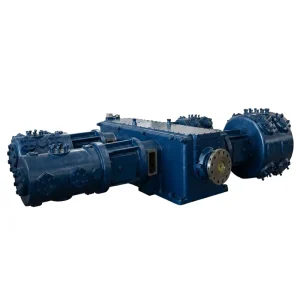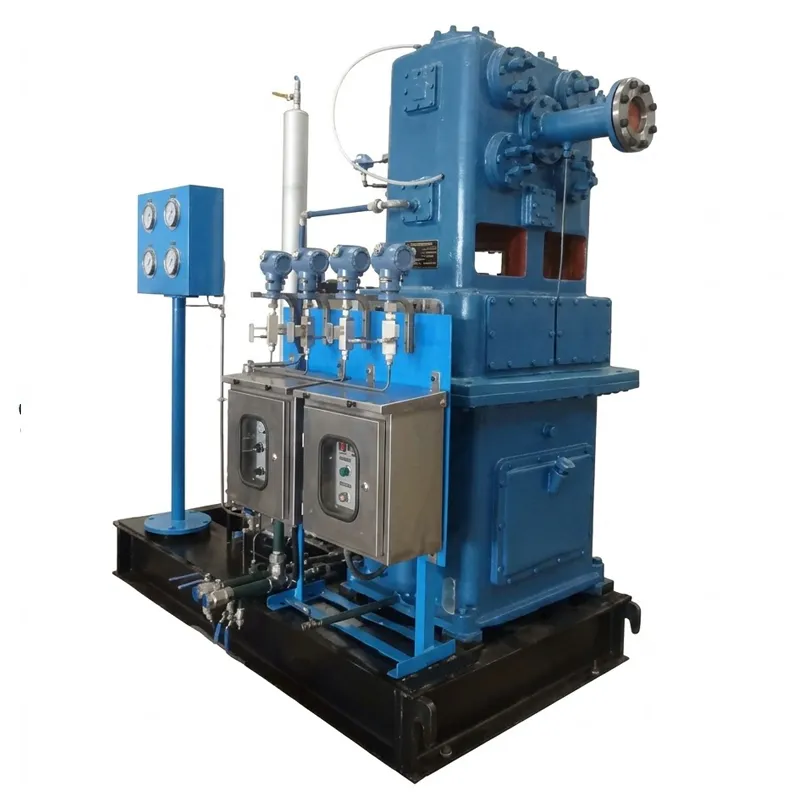
EP-ZW-9.5/3 Oxygen Air Compressor — Outdoor Explosion Proof Model
The ZW series stands for the Z-type two-column layout — a vertical-cylinder frame configuration widely used in oxygen compressor machine designs because of its compact footprint, inherent structural balance, and ease of outdoor mounting. The “9.5/3” designation encodes the machine’s core performance figures: 9.5 m³/min of gas throughput against a final discharge pressure of 3.0 MPa. Oxygen compression at this pressure level demands engineering standards that go substantially beyond what is required for air compression: every seal, lubricant substitution, valve material, and surface treatment must be chosen for oxygen-compatibility to eliminate ignition risk. The EP-ZW-9.5/3 is designed from first principles as a dedicated oil free oxygen air compressor — not a converted air machine — and carries the engineering credentials to operate safely in classified hazardous zones where oxygen-enriched atmospheres may exist. For oxygen plant operators, industrial gas distributors, and hospital gas infrastructure teams in France and globally, this machine represents a compact, reliable, and fully certified oxygen air compressor for sale at the 110 kW power level.
What distinguishes this oxygen air compressor from generic reciprocating compressors is the complete exclusion of hydrocarbon lubricants from the compression gas path. Any contact between oxygen at 3.0 MPa and hydrocarbon oil — even trace aerosol quantities — creates conditions for spontaneous ignition and rapid combustion. The EP-ZW-9.5/3 oxygen air compressor solves this through a combination of PTFE-composite piston rings, oil-free cylinder design, oil-tight distance pieces between the crankcase and each cylinder assembly, and the use of oxygen-compatible materials throughout the gas wetted path.
Oil-Free oxygen air compressor Series — Outdoor Explosion-Proof Design
EP-ZW-9.5/3 Oxygen Air Compressor — Outdoor Explosion Proof Model
The EP-ZW-9.5/3 is a three-stage, two-column oil free oxygen compressor purpose-engineered for outdoor, explosion-proof industrial environments. Delivering 9.5 m³/min of oxygen at a working pressure of 3.0 MPa, this oxygen air compressor is the go-to specification for oxygen filling stations, industrial gas distribution, hospital estate oxygen supply, and downstream gas processing plants across France, Europe, and international markets where uncompromised oxygen purity and hazardous-area safety are non-negotiable requirements. Driven by a 110 kW motor at 380 V, it combines compact dimensions with robust, field-proven explosion-proof engineering to serve the most demanding oxygen compression applications safely and reliably.
1. Technical Specifications of the Oxygen Air Compressor
The data below is drawn from the certified engineering datasheet for the EP-ZW-9.5/3 oxygen air compressor. All parameters reflect rated operating conditions with the standard outdoor explosion-proof configuration.
| Parameter | Value | Notes |
|---|---|---|
| Model | EP-ZW-9.5/3 | ZW-series, outdoor explosion-proof |
| Compressor Type | Two-column, Three-stage Oil Free Piston | Z-type vertical cylinder layout |
| Gas Medium | Oxygen (O₂), purity ≥ 99.5% | Oxygen-compatible materials throughout gas path |
| Discharge Capacity (FAD) | 9.5 m³/min | Measured at rated inlet conditions |
| Discharge Pressure | 3.0 MPa (30 bar) | Maximum working pressure |
| Drive Motor Power | 110 kW | Explosion-proof three-phase asynchronous motor |
| Supply Voltage | 380 V / 50 Hz | Standard; other voltages available on request |
| Overall Dimensions (L×W×H) | 1845 mm × 1660 mm × 2360 mm | Main unit; excludes ancillary pipework |
| Unit Weight (Dry) | 3.50 t | Operating weight without coolant charge |
| Number of Compression Stages | Three (3) stages | Intercoolers between each stage |
| Cooling Method | Water-cooled (intercooler + aftercooler) | Oxygen-compatible stainless tube bundle |
| Lubrication Type | Oil-free compression end (PTFE rings) | Crankcase oil-lubricated; oil barrier distance piece |
| Explosion-Proof Standard | ATEX / IECEx, Group IIA/IIB, Zone 1 | Motor and all electrical components Ex-rated |
| Installation Type | Outdoor (IP55 minimum enclosure protection) | Suitable for uncovered yard installation |
| Quality Certification | ISO 9001 (certified since 2001) | Factory acceptance test before dispatch |
2. How the Oxygen Air Compressor Works
Understanding how oxygen compressors work begins with recognising that the thermodynamic compression cycle is identical to that of an air compressor — but the engineering context around it is fundamentally different. In the EP-ZW-9.5/3, incoming oxygen at near-atmospheric pressure enters the first-stage cylinder through a stainless-steel suction valve after passing through an inlet filter rated for oxygen service. The first-stage piston — driven by the crankshaft through a forged connecting rod — compresses the gas to the first inter-stage pressure of approximately 0.4–0.5 MPa. This heated, partially compressed oxygen then passes through the first intercooler, where cooling water removes the heat of compression. Reducing the gas temperature before the next stage is not merely an efficiency measure in this application: elevated temperature in the presence of high-pressure oxygen dramatically increases the risk of ignition from any hydrocarbon contamination or adiabatic compression hot-spots. Inter-stage cooling is therefore a safety requirement as much as a thermodynamic optimisation.
The cooled oxygen enters the second-stage cylinder, where it is compressed to a further intermediate pressure of approximately 1.2–1.5 MPa, again followed by an intercooler. The third and final stage then takes the gas to the rated discharge pressure of 3.0 MPa. At each stage, the PTFE-composite piston rings and rider rings provide the gas seal between piston and cylinder without any hydrocarbon lubricant in the gas stream — this is the defining characteristic of an oil free oxygen compressor. The distance piece — a sealed chamber between the crankcase and each cylinder — contains two sets of PTFE wiper rings on the piston rod plus a vented mid-section; this vented cavity ensures that any trace crankcase oil vapour is released to atmosphere rather than migrating into the oxygen-carrying cylinder bore. The entire sequence ensures that the oxygen leaving the aftercooler and moisture separator is free of hydrocarbon contamination at every point in the three-stage oxygen air compressor cycle, delivering safe, high-purity gas to the downstream filling manifold, pipeline, or process equipment.
3. Four Key Performance Advantages of the Oxygen Air Compressor
Certified Outdoor Explosion-Proof Design
The EP-ZW-9.5/3 oxygen air compressor is specifically engineered and certified for outdoor installation in hazardous classified zones where oxygen-enriched atmospheres can accumulate. With an ATEX/IECEx Group IIA/IIB Zone 1-rated motor and explosion-proof electrical components throughout, this oxygen air compressor can be installed in open-air filling yards, rooftop plant areas, and outdoor oxygen generation facilities without the capital cost of a separately ventilated compressor room — a meaningful advantage for gas distributors and hospital oxygen supply projects in France and globally.
Three-Stage Compression to 3.0 MPa
Achieving 3.0 MPa from atmospheric pressure in a single stage would generate cylinder temperatures that make oxygen compression hazardous. The three-stage design of the EP-ZW-9.5/3 oxygen air compressor limits the temperature rise per stage through intercooling, keeping compression temperatures within the safe operating envelope for oxygen service at each point in the cycle. This staged approach is the international standard for industrial oxygen air compressor designs at pressures above 1.5 MPa, and the EP-ZW-9.5/3 implements it with dedicated oxygen-compatible intercoolers between every stage.
Zero Hydrocarbon Oil in the Gas Path
The oil free oxygen air compressor design ensures no hydrocarbon lubricant contacts the compressed oxygen at any point. PTFE-composite rings and rider rings provide all necessary gas sealing in each cylinder stage, and a sealed, vented distance piece prevents crankcase oil migration. This hydrocarbon-free guarantee is not just a product feature — it is a fundamental safety requirement for oxygen compression, eliminating the primary ignition mechanism that causes oxygen compressor fires and explosions in improperly specified oil-lubricated machines.
Compact ZW-Frame for Space-Constrained Sites
At just 1845 mm × 1660 mm × 2360 mm and 3.50 tonnes, the EP-ZW-9.5/3 delivers 9.5 m³/min at 3.0 MPa from a footprint that fits in spaces where larger D-type or M-type frames would be impractical. The vertical-cylinder ZW configuration also simplifies overhead crane access to cylinder heads for piston ring maintenance, reducing planned downtime at facilities where oxygen supply continuity is critical. For oxygen plant air compressor installations in urban hospital environments or compact industrial gas distribution yards, this compact profile is a practical specification advantage.
4. Materials & Oxygen-Compatible Construction
Material selection for an oxygen air compressor machine is governed by oxygen compatibility rather than simple mechanical performance. Every material in the gas wetted path must be assessed for its reactivity with high-pressure oxygen, its resistance to particle-impact ignition, and its resistance to adiabatic compression heating. The EP-ZW-9.5/3 oxygen air compressor uses the following material specification for each critical component.
| Component | Material | Oxygen-Compatibility Rationale |
|---|---|---|
| Cylinder Bores | Alloy cast iron, degreased and passivated for O₂ service | Low reactivity at normal operating temperatures; passivation removes hydrocarbon residues |
| Piston Rings & Rider Rings | PTFE-glass-carbon composite | Oxygen-compatible; no hydrocarbon lubricant; self-lubricating in O₂ atmosphere |
| Piston Rod | Stainless steel 316L, electropolished | Corrosion-resistant in O₂ and condensate; smooth surface reduces particle generation |
| Distance Piece (Oil Barrier) | Cast iron body; PTFE lip seals; PTFE wiper rings | Physical and chemical barrier between crankcase oil and oxygen-carrying cylinder |
| Suction & Discharge Valves | Stainless steel 316 plate valves; PEEK valve seat | 316 SS and PEEK approved for oxygen service; no bronze or copper-alloy contact |
| Cylinder Heads & Covers | Ductile iron or carbon steel, O₂-service degreased | Thorough degreasing per ISO 15001 before assembly and after any maintenance |
| Intercooler & Aftercooler Tubes | Stainless steel 316 tube bundle | No copper alloy in high-pressure O₂ circuit; stainless approved for oxygen service |
| Gaskets & O-Rings | PTFE sheet; VITON (FKM) O-rings; no NBR | PTFE and FKM are oxygen-compatible; NBR (nitrile) is excluded as it can ignite in O₂ |
| Main Frame / Crankcase | High-tensile grey cast iron HT250 | Crankcase is fully isolated from oxygen path; standard material acceptable |
| Crankshaft | Forged 42CrMo4 steel, ground journals | Located in sealed crankcase; standard material acceptable in non-oxygen zone |
5. Application Scenarios of the Oxygen Air Compressor
The EP-ZW-9.5/3 oxygen air compressor is suited to every application where oxygen must be compressed, stored, or transferred at pressures up to 3.0 MPa in a safe, oil-free, explosion-proof operating environment. The machine's compact footprint, outdoor rating, and proven PTFE-ring oil-free design cover a wide range of oxygen supply and processing scenarios globally.
◆ Medical Oxygen Cylinder Filling Stations
Hospitals, medical gas distributors, and home-care oxygen suppliers fill high-pressure oxygen cylinders (typically 150–200 bar) for patient use. The EP-ZW-9.5/3 oxygen air compressor functions as the high-pressure booster in an oxygen filling station, receiving cryogenic oxygen or PSA-generated oxygen at low inlet pressure and boosting it to the manifold pressure required for cylinder filling. The outdoor explosion-proof rating allows the filling station to be sited in a yard adjacent to the cylinder storage bay — the most practical layout for a medical gas facility — without requiring a separately ventilated compressor building. In France, medical oxygen air compressor filling is regulated under ANSM guidelines and EN ISO 7396-1; the EP-ZW-9.5/3 is designed to meet these requirements.
◆ Industrial Oxygen Production Plants
Air separation units (ASU), pressure swing adsorption (PSA) plants, and vacuum pressure swing adsorption (VPSA) systems produce oxygen at low pressure — typically 0.05–0.15 MPa above atmospheric. An industrial oxygen air compressor is required to boost this output to distribution or process pressures. The EP-ZW-9.5/3 compresses PSA or VPSA-generated oxygen to 3.0 MPa for pipeline distribution, cylinder filling, or direct process injection. Its oil-free oxygen compressor design protects the purity of the oxygen product from the generation unit, ensuring the output meets the specification of the downstream customer or process requirement throughout the booster compression step.
◆ Oxygenation in Wastewater & Aquaculture
Large wastewater treatment plants and intensive aquaculture facilities inject oxygen directly into biological reactors or fish tanks to accelerate biological oxygen demand (BOD) reduction or maintain dissolved oxygen levels for fish growth. At the pressures required for deep injection systems (1.5–3.0 MPa), a dedicated o2 compressor is needed. The EP-ZW-9.5/3 oxygen air compressor provides the volume and pressure for these environmental and agricultural oxygen injection systems, and its outdoor rating suits the typical open-air installation environment of a wastewater plant or aquaculture facility in France, the Netherlands, or Southeast Asia.
◆ Steel & Metal Cutting (Oxygen-Enhanced Combustion)
Steel manufacturers and metal fabrication facilities use high-purity oxygen to enhance combustion in blast furnaces, electric arc furnaces, and oxy-fuel cutting systems. The EP-ZW-9.5/3 supplies compressed oxygen to cutting manifolds and process injection points at the 3.0 MPa pressure level required by high-capacity oxy-fuel cutting equipment. For steelworks and metal processing sites in France's industrial heartland — Lorraine, Dunkirk, and Fos-sur-Mer — where oxygen supply reliability directly determines production continuity, this outdoor-rated compressor provides a dependable, field-serviceable supply point.
◆ Petrochemical & Chemical Oxidation Processes
Chemical production processes including partial oxidation, epoxidation, and oxidative dehydrogenation require compressed oxygen at controlled pressure as a process reactant. The oil free oxygen air compressor design of the EP-ZW-9.5/3 ensures that no hydrocarbon contamination from the compression stage enters the sensitive chemical process stream, where hydrocarbon traces could affect catalyst performance or product quality. In French petrochemical clusters such as the Étang de Berre and Seine-et-Marne chemical parks, the ATEX-certified outdoor explosion-proof rating of this machine is a prerequisite for hazardous-area installation.
◆ Glass Manufacturing & Oxy-Fuel Furnaces
Modern float glass and container glass furnaces increasingly use oxy-fuel firing to replace air-fuel combustion, reducing NOx emissions and improving thermal efficiency. High-purity oxygen at 2.5–3.5 MPa is required for the oxygen lances and injectors in these furnaces. The EP-ZW-9.5/3 oxygen compressor machine serves this application by boosting oxygen from the plant's supply header to the pressure required by the furnace combustion system, helping glass manufacturers in France and Europe meet the NOx emission limits set by the Industrial Emissions Directive (IED) 2010/75/EU without capital-intensive stack treatment systems.
6. Regulatory Compliance & Safety Standards
Oxygen compression is one of the most heavily regulated activities in industrial gas handling. The explosion-proof outdoor rating of the EP-ZW-9.5/3 oxygen air compressor intersects with multiple regulatory frameworks simultaneously — covering the machine itself, its electrical components, the gas-handling system, and the installation environment. The following table summarises the key applicable regulations for major markets.
| Region / Standard | Regulation / Code | Scope for O₂ Compressor Installation |
|---|---|---|
| EU / France — Machinery | Machinery Directive 2006/42/EC; PED 2014/68/EU | CE marking; pressure-vessel conformity for O₂ service at 3.0 MPa |
| EU / France — ATEX | ATEX Directive 2014/34/EU; EN 60079 series | All electrical equipment must be Ex-rated for the hazardous zone classification |
| France — Medical O₂ | ANSM regulations; EN ISO 7396-1; Code de la Santé Publique | Medical oxygen compression requires certified oil-free source and periodic purity testing |
| Global — Oxygen Cleaning | ISO 15001:2010 — Equipment for use with oxygen | All gas-wetted components must be cleaned and verified to oxygen-service cleanliness |
| Global — Industrial Gas | EIGA Doc 33 (Oxygen Compressors); IGC Doc 13/12 (Safe Handling of Oxygen) | Design, material, cleaning, and operating standards for oxygen compression equipment |
| United Kingdom | PSSR 2000; DSEAR 2002; UKCA marking; EIGA Doc 33 | Pressure system safety; dangerous substances in hazardous areas (ATEX equivalent) |
| USA | NFPA 50; OSHA 1910.104; ASME Section VIII (vessels); CGA G-4.1 (O₂ cleaning) | Oxygen storage and use; pressure vessel codes; oxygen cleaning of equipment |
| Australia | AS 2030.1 (gas cylinders); AS/NZS 2971; WHS Regulations; EIGA Doc 33 | Gas cylinder testing; pressure equipment registration; oxygen handling safety |
7. About Us
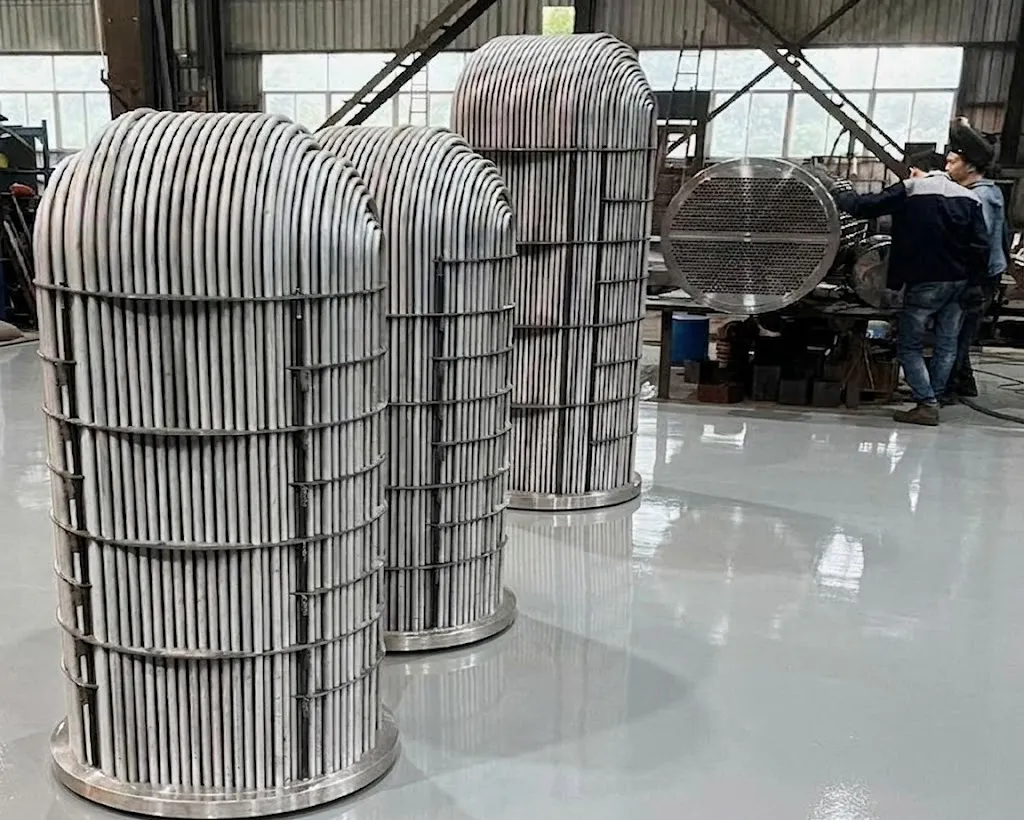
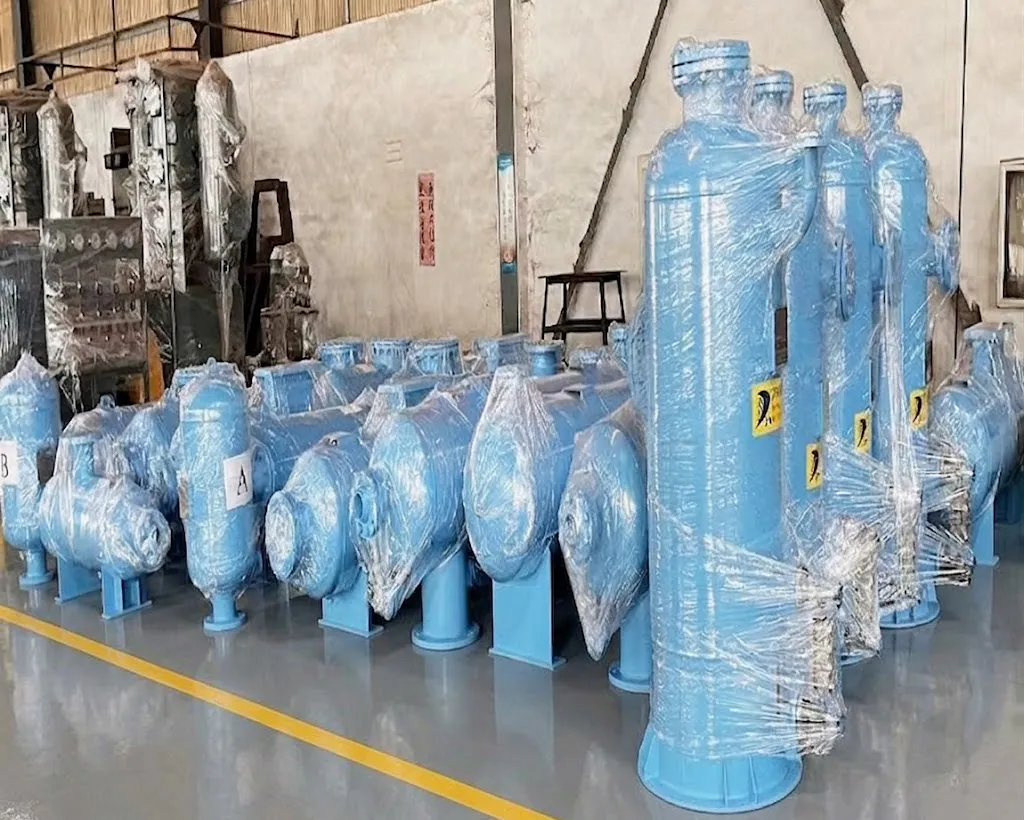
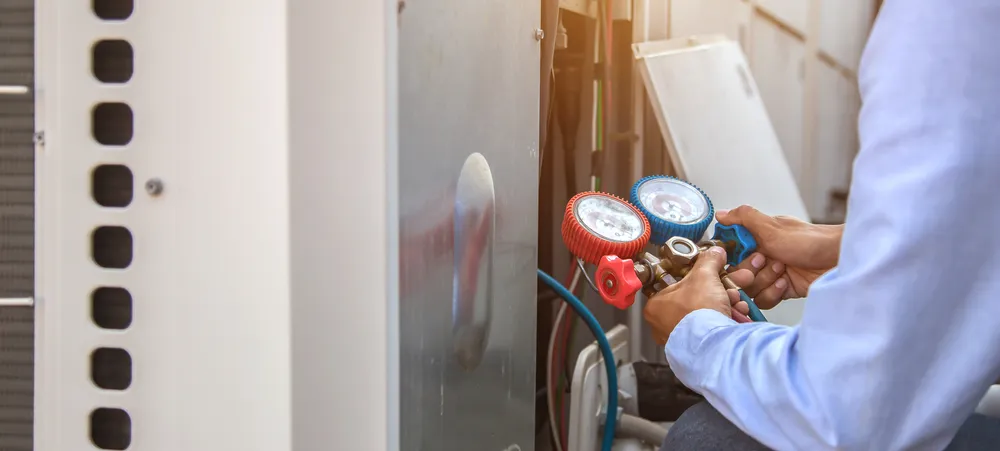
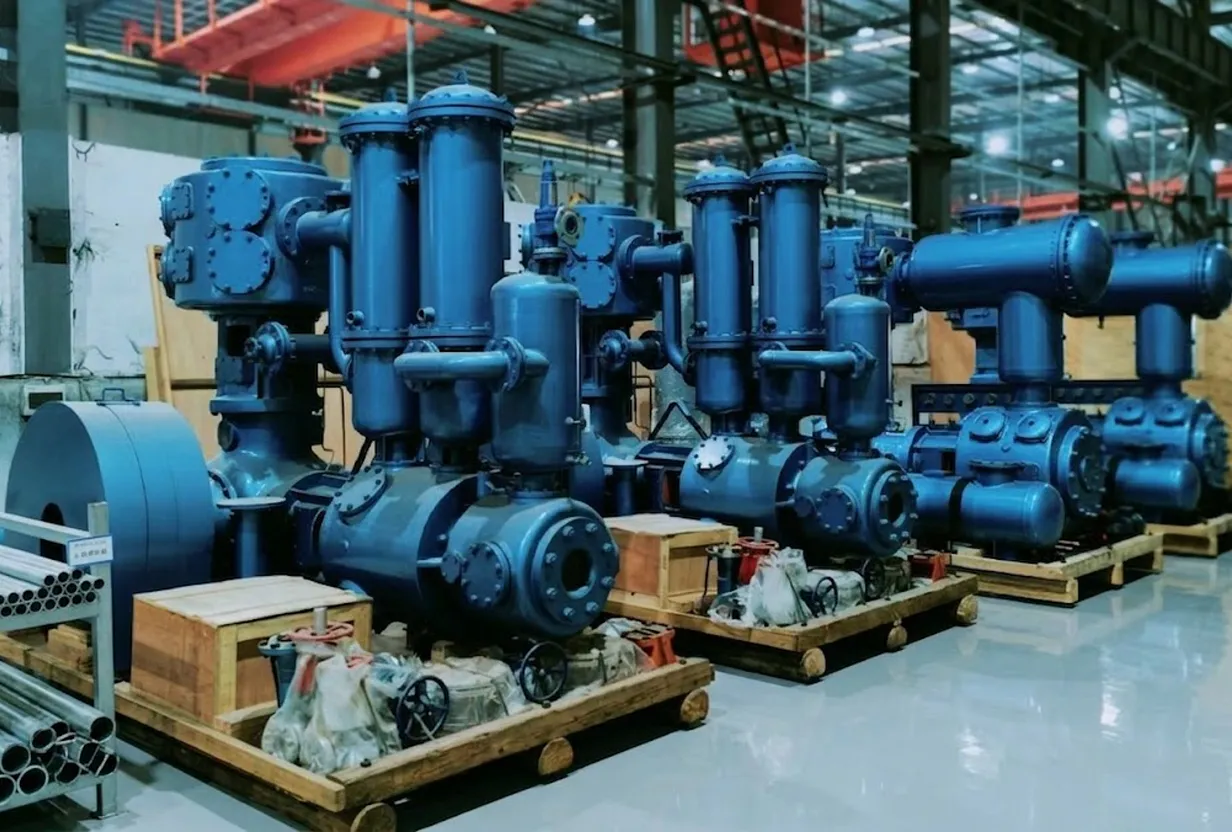
The production campus covers 260 mu of land with 92,000 m² of roofed manufacturing floor, staffed by 320 engineers and production specialists operating more than 600 sets of precision equipment. Dedicated sub-plants cover casting, precision machining, heat treatment, pressure-vessel fabrication, final assembly, and comprehensive acceptance testing including oxygen-service leak testing and performance verification.
We hold a compressor manufacturing licence, Class I and Class II (partial Class III) pressure-vessel design and fabrication permits, and ISO 9001 quality management certification continuously maintained since 2001. The factory's provincial-level Compressor Research Institute leads ongoing product development, and 10 national patents protect our core engineering innovations.
WorkShop
8. Related Products & System Compatibility
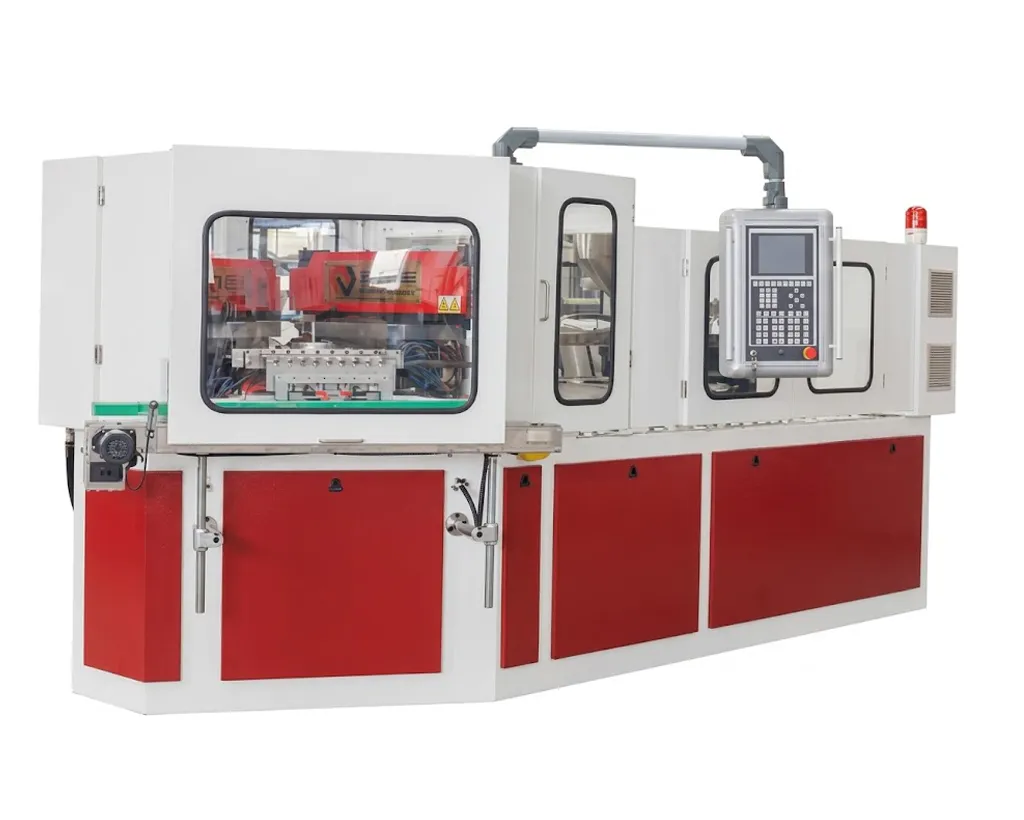
ISBM Machine — One-Step Injection Stretch Blow Moulding
For PET packaging operations that rely on compressed air from our compressor range, an ISBM machine from our portfolio provides the bottle-forming equipment side of the system. In facilities where both oxygen and air compressors are installed — such as glass or food-processing sites with oxygen-enhanced combustion and packaging air supply — being able to source the blow-moulding system and compressor equipment from a single organisation with unified technical documentation is a meaningful operational simplification.
Three Phase Asynchronous Motor
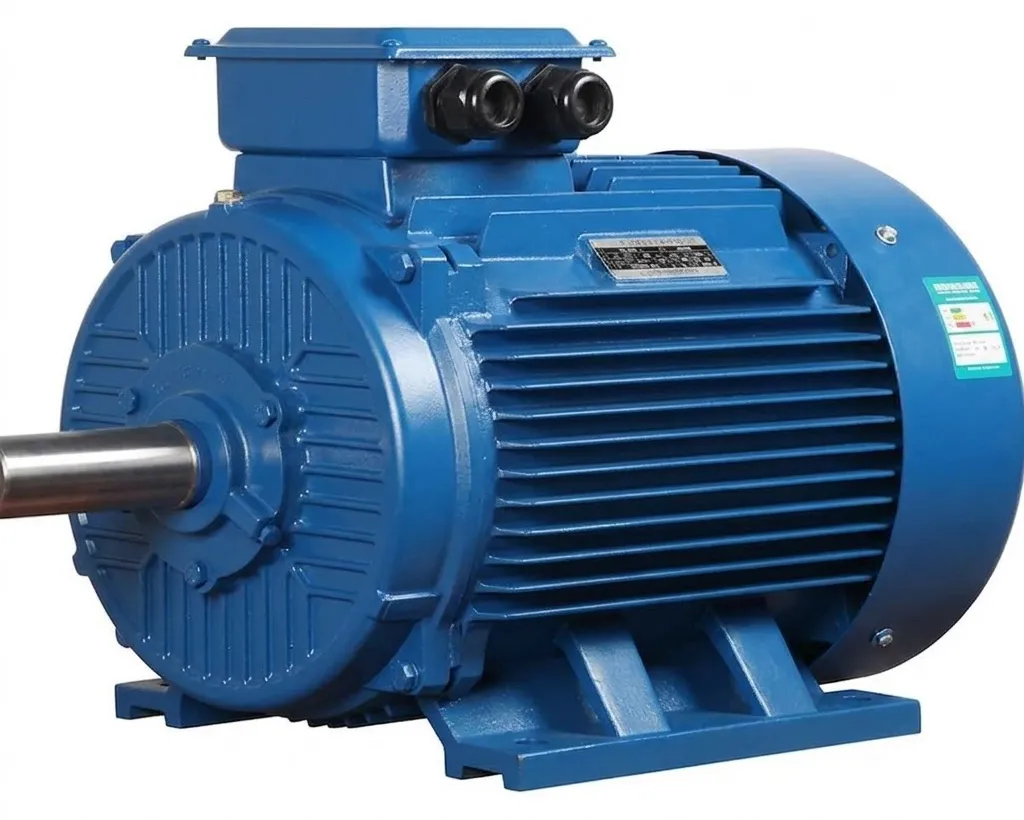
The 110 kW explosion-proof motor driving the EP-ZW-9.5/3 is sourced from our own three-phase asynchronous motor production range, available in standard and explosion-proof (ATEX/IECEx) configurations. Matching the motor to the compressor at the manufacturing level eliminates shaft and flange compatibility concerns, simplifies the explosion-proof zone documentation package for ATEX classification purposes, and provides a single warranty and technical support contact for the entire drive train. Our explosion-proof motor range covers 380 V, 6 kV, and 10 kV versions across all compressor power classes in the oxygen and air compressor product families.
Frequently Asked Questions
Q1. What is an oxygen air compressor and how is it different from a standard air compressor? ▼
Q2. How do oxygen compressors work and why do they require three compression stages for 3 MPa? ▼
Q3. Which industrial oxygen compressor supplier in Europe can provide ATEX-certified outdoor units with a formal quote? ▼
Q4. What is an oxygen compressor used for in a hospital medical gas system in France? ▼
Q5. What is the difference between an air compressor and an oxygen concentrator in terms of gas supply applications? ▼
Q6. How often do PTFE piston rings in an oil free oxygen compressor need to be replaced during normal operation? ▼
Q7. Where should an outdoor explosion-proof oxygen air compressor be installed on a gas production site to meet ATEX regulations? ▼
Q8. How does the EP-ZW-9.5/3 oxygen compressor compare to a booster compressor for PSA oxygen plant integration? ▼
Editor: PXY