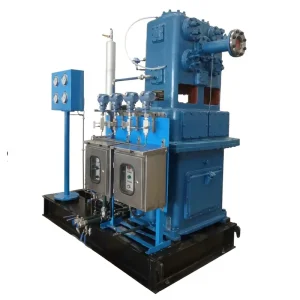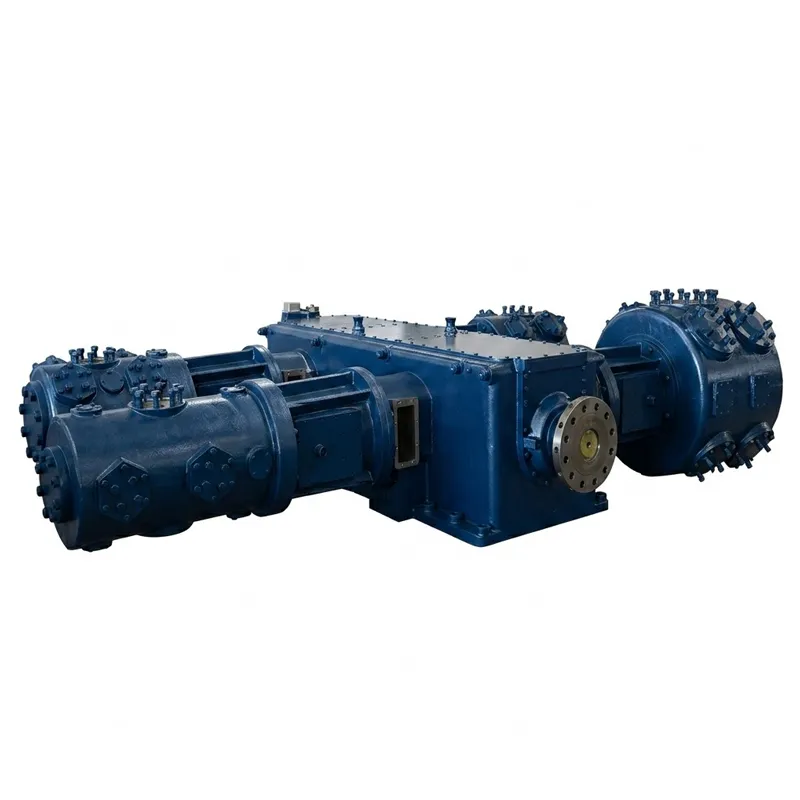
EP-4MW-70/36 Oxygen Air Compressor
The EP-4MW-70/36 oxygen air compressor is a large-capacity, oil free machine designed specifically for the compression of pure oxygen at high pressure — a service category that demands engineering standards far beyond those applied to conventional air compressors. Delivering 70 m³/min of oxygen at a rated discharge pressure of 3.6 MPa (36 bar), this industrial oxygen air compressor serves air separation plant oxygen boosting circuits, medical and industrial bulk liquid oxygen re-gasification compression, and high-pressure oxygen supply systems for metallurgical, chemical, and pharmaceutical applications across France, the EU, and global process industry markets.
The four-column, multi-stage oxygen air compressor architecture applied in the 4MW series allows the high overall pressure ratio from inlet conditions (typically near atmospheric) to final discharge at 3.6 MPa to be distributed across multiple compression stages with inter-stage cooling between each. This staged approach is thermodynamically necessary: a single-stage oxygen air compressor attempting to achieve 36 bar in one step would develop discharge temperatures far beyond the thermal limits of any safe oxygen-compatible sealing material, and would consume dramatically more energy per unit of delivered gas than the multi-stage oxygen air compressor with inter-stage cooling achieves. The EP-4MW-70/36 oxygen air compressor is the product of over 70 years of continuous large-bore piston compressor manufacturing experience, validated through its direct predecessors’ service in demanding oxygen plant applications for major industrial gas organisations globally.
Oil Free Oxygen Compressor Series
EP-4MW-70/36 Oxygen Air Compressor
A four-column multi-stage oil free oxygen air compressor rated at 70 m³/min free delivery and 3.6 MPa discharge pressure. Engineered specifically for oxygen compression in industrial air separation, medical oxygen supply, and process gas applications across France, Europe, and global markets where the combination of high pressure, large flow, and absolute oil-free operation is a safety and regulatory requirement — not merely a preference.
Pressure: 3.6 MPa
Power: ~900 kW
Four-Column Multi-Stage
6 kV / 10 kV Supply
1. Technical Specifications
The following parameters define the EP-4MW-70/36 oxygen air compressor performance at standard inlet conditions. For oxygen compressors, inlet conditions are defined relative to the specific oxygen stream purity, temperature, and pressure at the machine suction flange, which may differ from standard atmospheric air conditions depending on whether the oxygen source is an air separation unit (ASU) outlet or a pressure swing adsorption (PSA) generator. All performance data should be verified against the actual inlet conditions of the buyer's specific oxygen plant configuration during the technical proposal stage.
| Parameter | Value | Unit / Remark |
|---|---|---|
| Model | EP-4MW-70/36 | Four-column, Multi-stage, Oil Free |
| Compressed Medium | Oxygen (O₂) | Purity ≥ 99.5% (typical ASU outlet) |
| Free Delivery Capacity | 70 | m³/min (at inlet conditions) |
| Rated Discharge Pressure | 3.6 | MPa (≈ 36 bar g) |
| Drive Motor Power | ~900 | kW (exact per project design) |
| Supply Voltage | 6 kV or 10 kV | 3-Phase, 50 Hz |
| Compression Configuration | Four-column, Multi-stage (4 stages) | With inter-stage cooling at each stage |
| Overall Dimensions (L×W×H) | 6800 × 4000 × 3200 | mm |
| Unit Weight | ~26 | t (metric tonnes, approx.) |
| Cylinder Lubrication | None — Oil Free | O₂-compatible PTFE-based ring system |
| Cooling Method | Water-cooled, inter-stage & after-cooling | Between all compression stages |
| Gas Pathway Materials | Oxygen-compatible; hydrocarbon-free | All wetted parts per O₂ service standards |
| Inlet Pressure Range | 0.10 – 5.00 | MPa (series range; project-specific) |
| Ambient Temperature Range | 5 – 40 | °C |
| Safety Relief Valve Setting | 1.1 × Rated Discharge Pressure | Per ISO 10083 / PED 2014/68/EU |
2. Five Key Competitive Advantages
Why the EP-4MW-70/36 oxygen air compressor is the specification choice of plant engineers and project procurement teams handling large-scale industrial oxygen compression systems in France, Europe, and globally:
01 — Inherent Oil-Free Safety for Oxygen Service
The oxygen air compressor cylinder design completely eliminates hydrocarbon lubricants from the gas compression zone through a crosshead-and-distance-piece arrangement that creates a physical separation between the oil-lubricated crankcase and the oxygen compression cylinder. This is not a filtration solution — it is a structural engineering solution that prevents hydrocarbon contamination of the oxygen stream at the source. Oxygen in contact with hydrocarbon oils under compression conditions creates an auto-ignition hazard that is the primary cause of serious oxygen compressor incidents worldwide. The oil free design of this oxygen air compressor is the foundational safety requirement that all other specifications are built upon, and it satisfies the oxygen-service safety requirements of international standards including EIGA Document 13 (European Industrial Gases Association), CGA G-4.1 (USA), and ISO 10083 for oxygen compression systems.
02 — Four-Column Balanced Configuration at 3.6 MPa
The 4MW four-column frame of this oxygen air compressor distributes compression forces symmetrically across four cylinder banks, achieving a level of dynamic balance that dramatically reduces the foundation-transmitted vibration compared with two-column oxygen compressor designs of equivalent pressure ratio and output. At 3.6 MPa and approximately 900 kW drive power, uncontrolled vibration in an oxygen compressor installation poses risks not only to structural integrity but to the reliability of the high-pressure oxygen pipework and flanged connections throughout the system — joints that, in oxygen service, must maintain leak-free performance at all times. The inherently smoother mechanical operation of the four-column balanced oxygen air compressor reduces fatigue loading on all connected equipment and reduces the frequency of inspection and tightness testing that a higher-vibration machine would impose on site maintenance teams.
03 — Multi-Stage Inter-Cooled Compression for Safe High Pressure
Compressing oxygen safely to 3.6 MPa in a single stage is not possible with current oil free piston compressor technology — discharge temperatures would exceed the auto-ignition threshold of PTFE-based ring materials and the safe operating temperature limits of oxygen-compatible gasket materials. The multi-stage, inter-cooled design of this oxygen air compressor distributes the pressure ratio across four stages with water-cooled heat exchangers between each, maintaining inter-stage and final discharge temperatures within safe limits for oxygen service. This staged compression approach also delivers the best specific energy consumption achievable for high-pressure oxygen compression at this scale, because inter-stage cooling reduces the thermodynamic work required at each successive stage by returning the gas to near-ambient temperature before the next compression step — a thermodynamic advantage that any industrial oxygen air compressor buyer can quantify through comparative lifecycle energy cost analysis against single-stage oxygen compression alternatives.
04 — Proven Supply to Major International Gas Industry Players
The 4MW oxygen air compressor series has been supplied to major international industrial gas companies — including Linde AG (Germany), Messer Group (Germany), and AkzoNobel (Netherlands) — whose oxygen plant procurement specifications are among the most demanding in the global industrial gas sector. Reference installations from these customers demonstrate sustained performance and reliability of the oxygen air compressor in continuous oxygen plant duty over extended service periods, providing the engineering evidence base that project engineers evaluating an industrial oxygen air compressor supplier for major capital projects in France and globally require as part of the vendor qualification process. This track record is supported by our ISO 9001:2015 certified quality management system, continuously audited since 2001, which covers the full production process for oxygen air compressor manufacturing.
05 — Full Compliance Documentation for EU, French, and Global Projects
Every EP-4MW-70/36 oxygen air compressor exported to France and EU markets is accompanied by a comprehensive compliance documentation package covering the Pressure Equipment Directive (PED 2014/68/EU), Machinery Directive (2006/42/EC), and relevant harmonised standards for oxygen compression equipment including EN 13445 for unfired pressure vessels and EIGA Document 13 oxygen safety guidelines. CE marking, material test certificates with full traceability to heat numbers, hydrostatic test records for all pressure parts, and performance test reports referenced to applicable oxygen compressor standards are provided as standard. Third-party inspection by SGS, Bureau Veritas, or TÜV Rheinland at factory acceptance test stage is available for all export projects, enabling the buyer's quality and safety engineers to witness oxygen air compressor performance verification before shipment.
3. How Does an Oxygen Air Compressor Work — The 4MW Multi-Stage Principle
Understanding how an oxygen air compressor works begins with recognising that while the fundamental positive displacement mechanism is shared with conventional air compressor machines, the specific engineering requirements of safe oxygen compression impose constraints on materials, lubricants, clearances, and operating temperatures that differentiate an industrial oxygen air compressor from any general-purpose machine. The question "how does an oxygen compressor work?" therefore has both a mechanical answer and a safety engineering answer, and both are relevant to informed procurement of this oxygen air compressor category.
Mechanically, the EP-4MW-70/36 oxygen air compressor operates on the same reciprocating piston-cylinder positive displacement principle as all large piston compressors: the crankshaft, driven by the high-voltage motor through a direct shaft coupling, rotates continuously and converts that rotary motion to the reciprocating linear motion of pistons through connecting rods and crosshead assemblies. The crosshead runs in an oil-lubricated guide — completely separated from the oxygen compression cylinder by the distance piece — and the piston rod passes through the labyrinth and wiper seal assembly in the distance piece that creates the physical hydrocarbon-isolation barrier between the crankcase and the oxygen gas path. Within the oxygen cylinder, on the intake stroke, the piston retreats and draws oxygen from the previous-stage discharge (or from the suction source, in the case of the first stage) through the inlet valve into the cylinder. On the compression stroke, the inlet valve closes and the trapped oxygen is compressed to the inter-stage or final discharge pressure, then discharged through the outlet valve to the inter-stage cooler or to the final discharge header of this oxygen air compressor.
The multi-stage working principle of this oxygen air compressor divides the total pressure ratio (from approximately atmospheric inlet to 3.6 MPa discharge) across four separate compression cylinders arranged in series, with a water-cooled heat exchanger between each stage that reduces the compressed oxygen temperature back toward ambient before it enters the next cylinder. This inter-stage cooling is both a thermodynamic efficiency measure and a safety measure for the oxygen air compressor: thermodynamically, it reduces the work required at the next stage by lowering the specific volume of the gas entering the cylinder; from a safety standpoint, it ensures that the gas temperature entering each cylinder remains within the safe limits defined for oxygen service on the specific cylinder materials and seal compounds installed. After the fourth stage, the compressed oxygen at 3.6 MPa passes through the final after-cooler and enters the downstream oxygen distribution system — at the delivery conditions specified in the project data sheet for the oxygen air compressor installation.
4. Materials & Oxygen-Compatible Construction
The material specification of the EP-4MW-70/36 oxygen air compressor is governed first and foremost by oxygen service compatibility requirements. Every component that contacts the oxygen gas stream in this oxygen air compressor — whether in compression, cooling, or piping — must be selected, cleaned, and assembled to the standards governing oxygen-compatible construction set out in EIGA Document 13, ISO 10083, and applicable national standards including French réglementation technique (INERIS guidance) for industrial oxygen installations. The following describes the principal material and construction choices that distinguish this oxygen air compressor from a general-purpose industrial oil free compressor of comparable size.
Oxygen Cylinders & Cylinder Heads
Oxygen compressor cylinders are manufactured from grey cast iron or nodular cast iron grades selected for freedom from sulphur inclusions and other constituents that could catalyse oxygen-hydrocarbon reactions. Cylinder internal surfaces are cleaned and degreased to the oxygen cleaning standard — free of all oils, greases, and particulate matter — before assembly. Each oxygen cylinder is subjected to hydrostatic pressure test at a multiple of its maximum allowable working pressure before installation, with test records forming part of the final documentation package for the oxygen air compressor.
Piston Rings — Oxygen-Grade PTFE Composites
Piston rings and rider rings in the oxygen cylinders of this oxygen air compressor are manufactured from oxygen-compatible PTFE-based composite compounds — typically unfilled PTFE or PTFE compounds with specific filler materials (carbon, glass fibre) that have been independently assessed for compatibility with high-purity oxygen at the operating temperature and pressure conditions of each stage. Standard bronze-filled PTFE compounds used in general oil free compressors are not acceptable for oxygen service, as bronze is not universally approved as an oxygen-compatible filler in all standards. The specific ring compound used in each stage is selected to comply with the applicable oxygen service standard requirements for that stage's operating conditions.
Valves — Oxygen-Safe Materials
Inlet and discharge valves for oxygen compression service must be manufactured from materials that do not present an oxygen ignition hazard under the adiabatic compression conditions occurring at the valve seat during opening and closing. Valve plates for this oxygen air compressor are manufactured from stainless steel grades approved for oxygen service, and spring materials are selected for oxygen compatibility. Valve seats and guides are machined from non-sparking materials or bronze alloys approved for oxygen contact at the relevant pressure and temperature. Valve assemblies are cleaned, inspected, and sealed after manufacture in accordance with the oxygen cleaning procedure before installation in the oxygen air compressor.
Inter-Stage Coolers & Gas Pipework
All inter-stage heat exchangers, after-cooler, and interconnecting gas pipework of this oxygen air compressor are manufactured from stainless steel or carbon steel grades assessed for oxygen service compatibility at the relevant operating conditions. Tube bundles are configured with oxygen on the shell side and cooling water on the tube side to allow external inspection of the oxygen contact surfaces and to ensure that any cooling water tube failure does not introduce water contamination into the high-pressure oxygen stream without detection. All gas-side surfaces are cleaned to oxygen cleanliness standards before final assembly and pressure testing of the oxygen air compressor package.
Crankcase & Crosshead Isolation
The crankcase of this oxygen air compressor is a conventional oil-lubricated system using standard mineral compressor oil — the crankshaft main bearings, connecting rod big-end bearings, and crosshead guides are all lubricated by the force-feed oil circuit. The critical engineering requirement is the isolation of this crankcase oil from the oxygen compression zone: the crosshead runs in the guide cylinder completely enclosed within the distance piece, which is ventilated to atmosphere (not to the oxygen circuit) and is monitored for oil vapour concentration as an early indicator of piston rod seal deterioration before it can progress to oil contamination of the oxygen stream.
Oxygen Cleaning — Assembly Protocol
Oxygen cleaning is not merely a manufacturing step — it is an ongoing assembly protocol that governs every maintenance intervention on the oxygen air compressor. All replacement parts that enter the oxygen gas pathway must arrive at the assembly stage in oxygen-clean condition, packaged to prevent recontamination, and handled with clean tools and gloves that have not been in contact with hydrocarbon lubricants. Our maintenance documentation for this oxygen air compressor provides explicit oxygen cleaning procedures for each type of maintenance activity, enabling site maintenance teams to perform planned and corrective maintenance on the oxygen air compressor to the same oxygen safety standard as the original factory assembly.
5. Regulatory Compliance & Safety Standards
Industrial oxygen compression is subject to some of the most rigorous regulatory requirements in the industrial gas industry. A high-pressure oxygen air compressor operating in France or the EU must comply with EU-level directives and harmonised standards, French national regulations for oxygen installations, and industry-specific oxygen safety standards produced by bodies such as EIGA and ISO. The following regulatory framework applies to the EP-4MW-70/36 oxygen air compressor — procurement engineers should verify compliance against each dimension during vendor qualification for an oxygen air compressor project:
EU — Pressure Equipment Directive (PED 2014/68/EU)
An oxygen air compressor at 3.6 MPa falls squarely within the scope of PED 2014/68/EU as a Group 1 fluid (oxygen is classified as a dangerous fluid). All pressure-containing components of the oxygen air compressor must comply with the relevant essential safety requirements of the Directive, carry CE marking, and be accompanied by a Declaration of Conformity. For oxygen service at this pressure, Category III or IV classification typically applies, requiring involvement of a Notified Body (Organisme Notifié in France) at the design and production examination stages. Our documentation package for this oxygen air compressor includes the Notified Body attestation required for CE marking of high-pressure oxygen compression equipment within the EU.
France — ICPE & Réglementation Oxygène
In France, industrial oxygen compression installations above defined thresholds are subject to classification under the Code de l'environnement ICPE framework (rubric 4325 for oxygen above 50 bar or 20 t stored quantity thresholds, and rubric 1130 for stored oxygen quantities). Oxygen plant operators in France must also comply with the arrêté du 20 avril 1994 relatif à la déclaration, la classification, l'emballage et l'étiquetage as it applies to bulk oxygen storage and compression systems. INERIS (Institut National de l'Environnement Industriel et des Risques) provides the primary national technical reference for oxygen installation hazard assessment in France, and the documentation supplied with this oxygen air compressor supports the risk assessment preparation required by the ICPE authorisation dossier.
EIGA Document 13 — Oxygen Compression Safety (European)
The European Industrial Gases Association (EIGA) Document 13, "Oxygen Pipeline and Piping Systems," and the complementary EIGA Document 33, "Cleaning of Equipment for Oxygen Service," are the primary technical reference documents governing the design, material selection, cleaning, and operation of oxygen compression equipment in Europe. This oxygen air compressor is designed and manufactured in accordance with the oxygen-compatible materials lists and safe operating temperature and pressure limits specified in EIGA Document 13. All gas-pathway materials used in the oxygen air compressor are traceable to the approved materials lists in the applicable EIGA documentation, enabling straightforward verification during third-party safety audits of the oxygen air compressor installation.
ISO 10083 — Oxygen Distribution Systems
ISO 10083 and the broader ISO TC58 framework for oxygen equipment provide internationally recognised technical requirements that align with the design and testing requirements applied to the EP-4MW-70/36 oxygen air compressor. For export projects outside the EU, ISO standards provide the primary technical reference, with ASME Section VIII (USA and Middle East) and AS/NZS (Australia and New Zealand) providing the complementary national standards for pressure vessel fabrication and inspection that apply to the oxygen air compressor pressure containment components. Our technical proposal for any oxygen air compressor project outside the EU clearly identifies the applicable standard combination and confirms compliance scope.
CGA G-4.1 — Cleaning Equipment for Oxygen Service (Global)
The Compressed Gas Association (CGA) document G-4.1, "Cleaning Equipment for Oxygen Service," is the primary global technical reference for the oxygen cleaning procedures required for all equipment that contacts the oxygen stream. For global projects — particularly those with North American engineering contractor involvement — compliance with CGA G-4.1 cleaning requirements is typically specified alongside EIGA Document 33 for the oxygen air compressor supply. Our factory documentation for this oxygen air compressor includes cleaning procedure records referenced to both EIGA Document 33 and CGA G-4.1 as applicable to the specific project engineering requirements.
Quality Management — ISO 9001:2015
The manufacturing quality management system governing production of this oxygen air compressor has held ISO 9001:2015 certification continuously since 2001. For oxygen plant owners and engineering contractors conducting vendor qualification for oxygen compressor procurement, the ISO 9001 certificate — together with the material traceability records, inspection plans, and non-conformance control records generated during production — forms the documentary basis for a vendor audit. Our quality system is structured to accommodate the specific documentation requirements of oxygen air compressor supply contracts, including oxygen cleaning records, material compatibility certificates, and pressure test witnessing documentation.
6. Application Scenarios
The EP-4MW-70/36 oxygen air compressor is designed for applications where pure oxygen must be compressed to medium-high pressure (3.6 MPa) at high volumetric flow rates. The combination of oil free cylinder design, multi-stage inter-cooling, and four-column balanced configuration makes this oxygen air compressor the appropriate choice for continuous duty in the following principal application sectors, spanning steel production, chemical processing, medical oxygen supply, and environmental treatment across France and global markets:
Air Separation Unit (ASU) Oxygen Boosting
Large air separation units produce gaseous oxygen at near-atmospheric pressure as the primary product of the cryogenic separation process. Where downstream process requirements demand oxygen at higher pressures — for pipeline distribution, high-pressure storage, or direct process feed — the oxygen stream from the ASU must be compressed by an oxygen air compressor. The EP-4MW-70/36 oxygen air compressor is sized for the boosting duty of large-scale ASU installations, accepting low-pressure oxygen from the cryogenic cold box and delivering it at 3.6 MPa for pipeline distribution to multiple production units across a large industrial complex. This is the most demanding oxygen air compressor application from a continuous availability standpoint, because any oxygen air compressor outage directly impacts the product delivery capability of the ASU and the downstream process units it serves.
Steel & Metallurgical Processing
Integrated steel plants and electric arc furnace (EAF) steelmaking facilities use oxygen extensively for lance blowing in basic oxygen steelmaking (BOS) converters and as a combustion enhancement gas in EAF operations. The oxygen air compressor compresses gaseous oxygen from the air separation plant or storage system to the pressure required for injection through the lance. At the output scale of this oxygen compressor — 70 m³/min at 3.6 MPa — the machine can support the oxygen demand of large converter operations or multiple EAF lances simultaneously, making it the central oxygen boosting equipment for medium-to-large scale steel production sites in France, Germany, and across global steel industry markets where oxygen lance technology is standard practice in modern steelmaking.
Chemical & Petrochemical Oxidation Processes
Many chemical synthesis routes — including partial oxidation of hydrocarbons, ethylene oxide production, and synthesis gas (syngas) generation — require high-pressure oxygen as a reactant. An industrial oxygen air compressor rated at 3.6 MPa is suitable for the oxygen feed compression duty of medium-scale partial oxidation or POX gasification units and ethylene oxide production facilities, which represent growing investment sectors in the European chemical industry including France's major petrochemical complex sites at Lacq, Fos-sur-Mer, and Normandy. The industrial oxygen air compressor must achieve very high reliability in these applications because oxygen is a primary reactant, and any oxygen air compressor-related process trip directly results in product output loss and potentially in catalyst damage in temperature-sensitive oxidation reactor systems where compressor reliability is a key project risk factor during site selection and plant design.
Medical & Industrial High-Pressure Oxygen Supply
Medical oxygen supply in large hospital complexes and healthcare campuses requires compressed oxygen at relatively high pressure — typically above 10 bar and in some high-demand scenarios up to 30–36 bar — for central pipeline distribution to ward outlets, operating theatre anaesthesia systems, and intensive care unit life support equipment. An oil free oxygen air compressor of this type can serve as the high-pressure gas supply machine for large medical campus oxygen distribution networks or for industrial high-pressure cylinder filling operations that supply medical oxygen to smaller healthcare facilities and home oxygen therapy programmes. In France, medical oxygen supply systems — including the oxygen air compressor and downstream distribution infrastructure — are subject to Bonnes Pratiques de Fabrication (BPF/GMP) requirements under ANSM oversight for any oxygen designated as a medicinal gas, imposing specific documentation and validation requirements on the oxygen air compressor supplier that must be addressed during the project engineering and supply contract phase.
VPSA & PSA Oxygen Plant Compression
Vacuum Pressure Swing Adsorption (VPSA) and Pressure Swing Adsorption (PSA) oxygen generation plants produce oxygen-enriched gas streams at near-atmospheric or slightly elevated pressure that must be compressed before use in process applications requiring higher pressures. The EP-4MW-70/36 oxygen air compressor is well-suited to the downstream compression duty of large VPSA oxygen plants, accepting gaseous oxygen at the VPSA product outlet pressure and delivering it at 3.6 MPa for downstream distribution or direct process injection. VPSA-based oxygen generation is increasingly used in France and globally as an alternative to cryogenic ASU for medium-scale oxygen production, and the integration of an oxygen air compressor matched to the VPSA plant output is a standard system architecture in new greenfield oxygen production and supply projects.
Pulp, Paper & Environmental Applications
Pulp and paper production uses oxygen in the bleaching process (oxygen delignification and ozone bleaching) and in activated sludge wastewater treatment systems for biochemical oxygen demand reduction. These applications require a reliable oxygen air compressor that can handle the duty cycles characteristic of batch-process industrial environments where oxygen demand varies with production schedule. Wastewater treatment applications for oxygen-enhanced biological treatment are growing in significance in France as water utilities upgrade treatment capacity to meet increasingly stringent effluent quality standards under EU Water Framework Directive obligations — a market trend that is expanding the installed base of industrial oxygen air compressors in the water treatment sector across Europe, creating new procurement opportunities for well-documented oxygen air compressor suppliers with demonstrated reliability in continuous process environments.
7. About Us
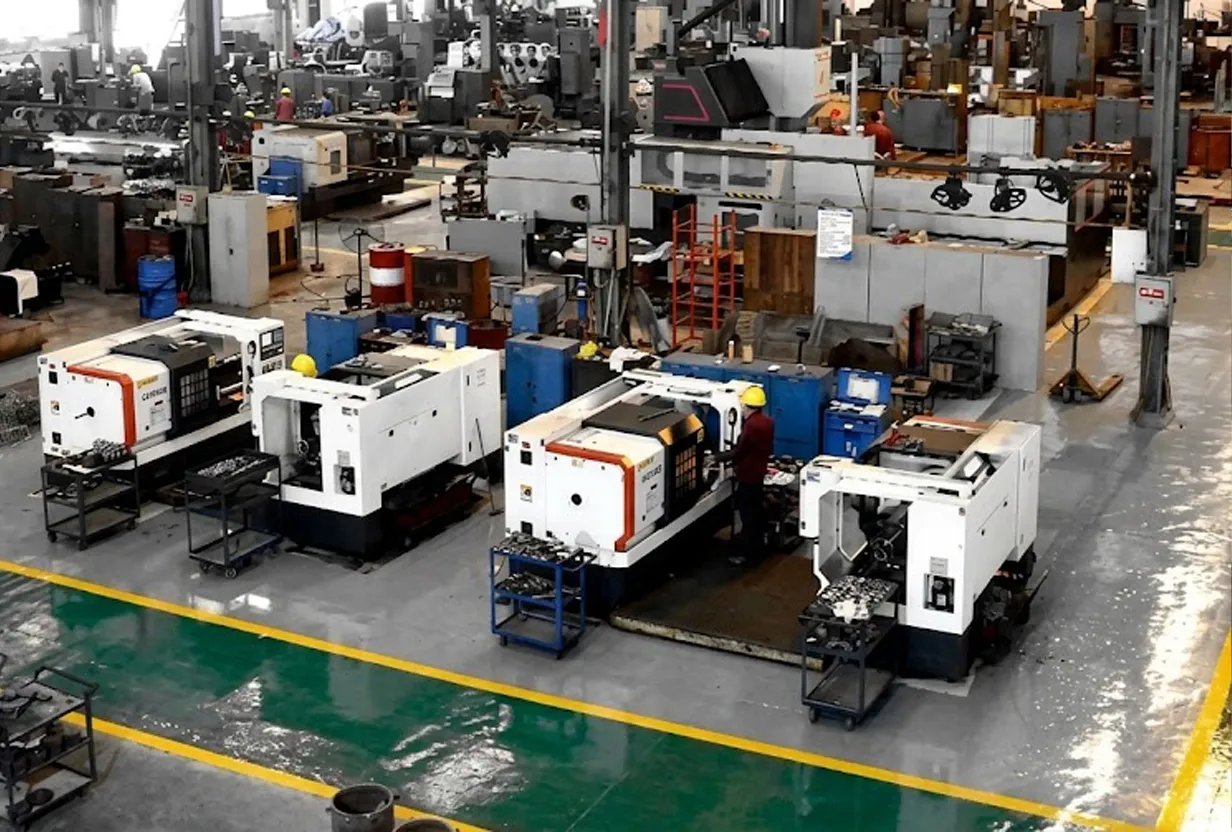
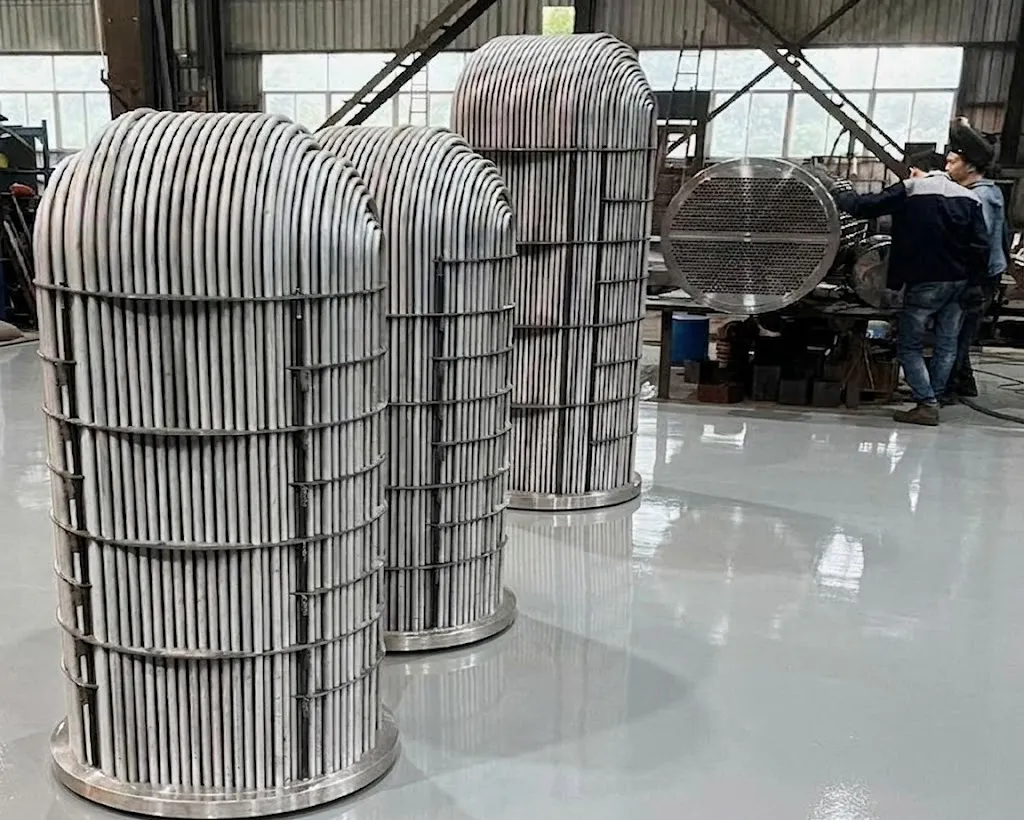
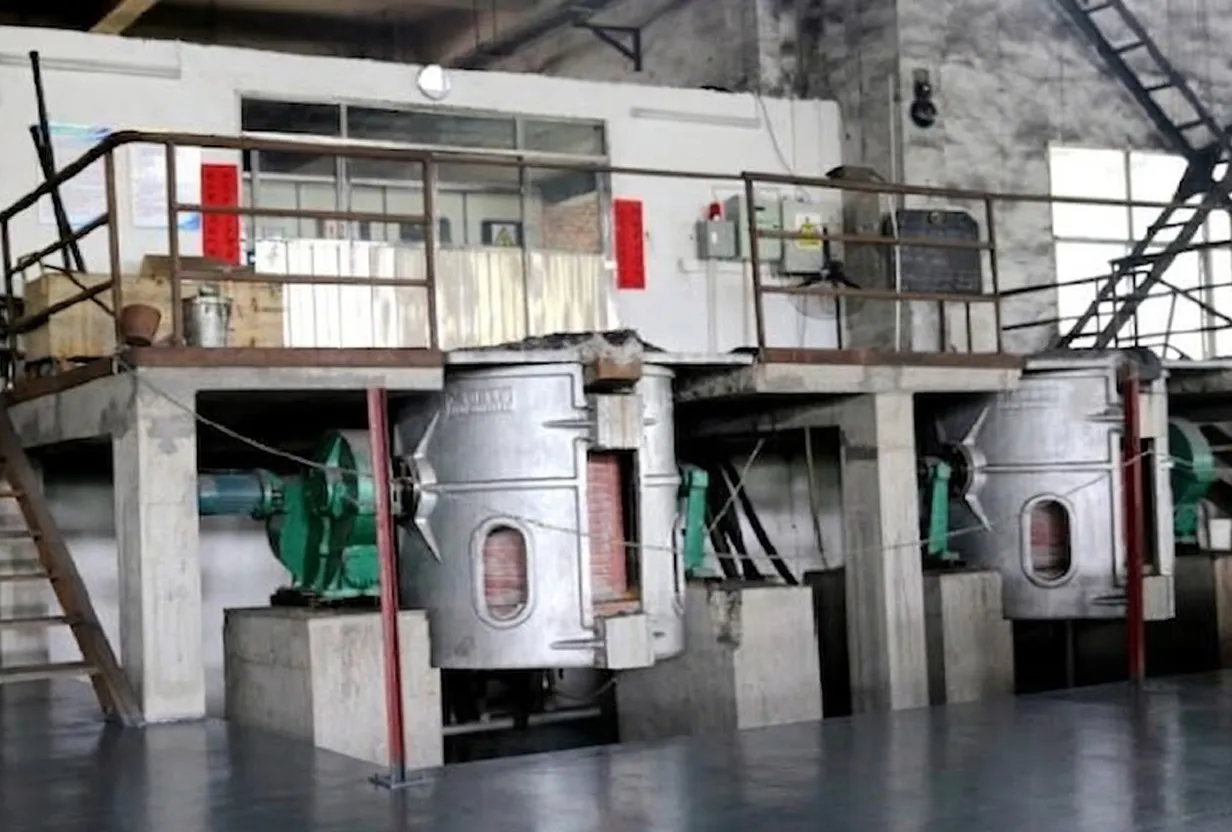
Our manufacturing infrastructure is fully vertically integrated for oxygen air compressor production: the in-house foundry produces oxygen-service cast iron and nodular iron cylinder bodies; the precision machining plant holds the bore finish and dimensional tolerances required for oxygen-grade PTFE composite ring performance; a dedicated oxygen cleaning area processes all gas-pathway components in accordance with EIGA Document 33 requirements before assembly into the oxygen air compressor; the pressure vessel shop fabricates and hydrostatically tests all inter-stage cooler shells and after-cooler components for the oxygen air compressor package; and the combined quality test centre performs performance testing of each oxygen air compressor against the specified capacity and discharge pressure before acceptance and release for shipment. A provincial-level compressor research institute operating within the same facility leads ongoing development of oxygen-compatible materials across the oxygen air compressor product range.
320
Employees
600+
Production Sets
10
National Patents
ISO 9001
Since 2001
Workshop

8. Related Products & System Compatibility
Beyond this oxygen air compressor, we manufacture complementary industrial equipment that operates in conjunction with compressed gas supply systems — enabling customers who need integrated solutions to source matched equipment packages from a single qualified supplier with end-to-end technical responsibility across the complete oxygen air compressor and end-use equipment system.
ISBM Machine — Blow Moulding with Compressed Air Supply
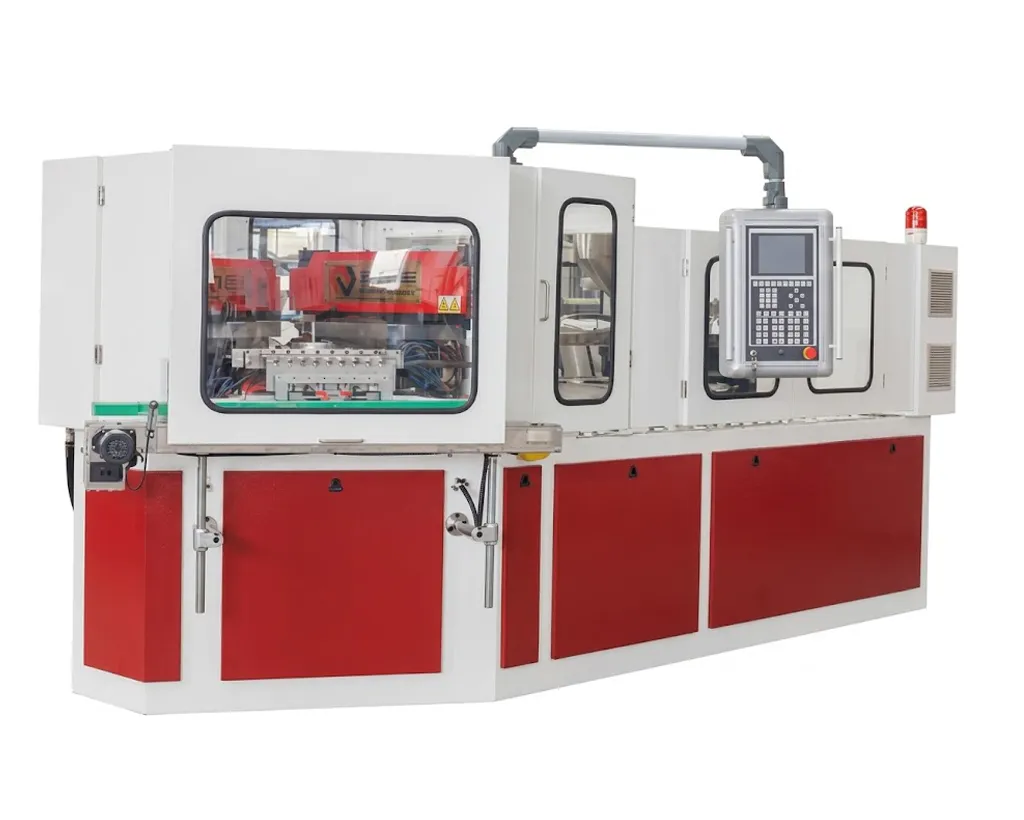
While this oxygen air compressor targets pure oxygen compression duty, our manufacturing range includes the complementary ISBM Machine — an injection stretch blow moulding system for PET container production that uses compressed air (rather than oxygen) at its blow station inlets. For industrial gas producers who also supply clean compressed air to food and beverage or packaging customers, we can provide both the oxygen air compressor for high-pressure oxygen production and the air-supply-matched ISBM machine as a combined package, demonstrating the breadth of our compressed gas handling and end-use equipment manufacturing capability across gas types and applications.
Three Phase Asynchronous Motor
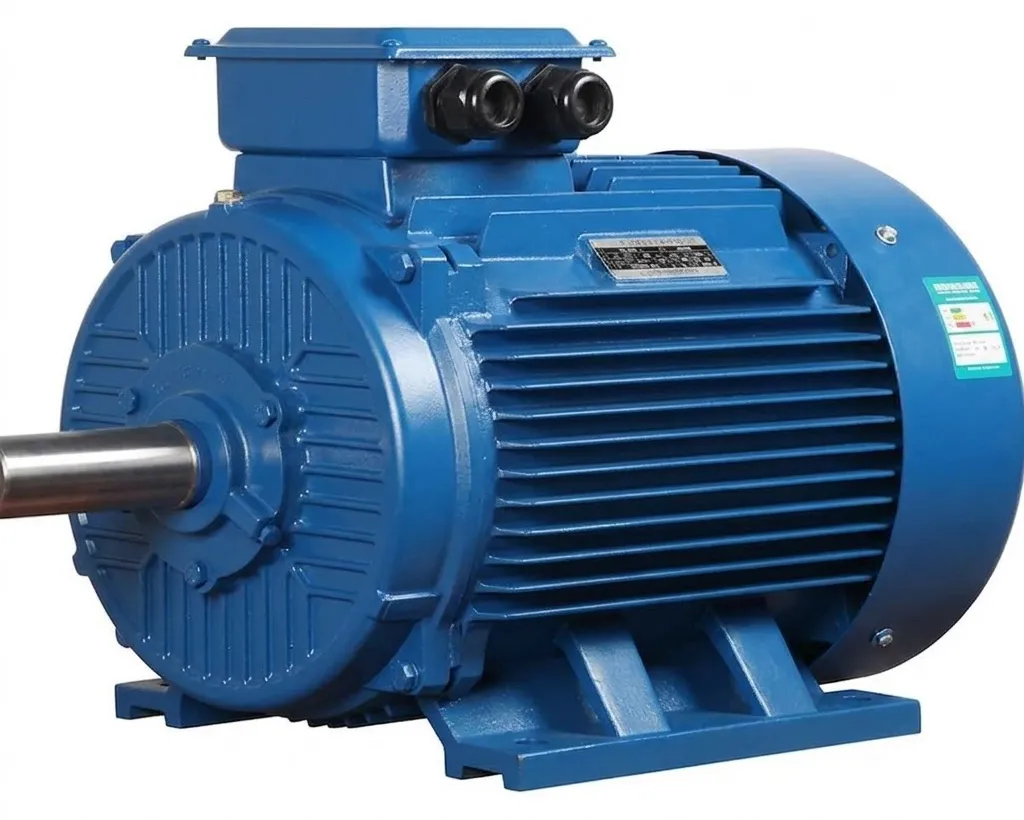
The EP-4MW-70/36 oxygen air compressor is driven by a three-phase asynchronous motor rated at approximately 900 kW, supplied at 6 kV or 10 kV. We supply matched high-voltage motor units from our qualified supply chain, factory-coupled and run-tested with the oxygen air compressor as a complete motor-compressor drive train before shipment. For oxygen compressor installations, factory run-testing of the complete drive package also serves as a critical safety checkpoint: it verifies that all oil pressure and temperature monitoring, shutdown interlocks, and safety trips for the oxygen air compressor function correctly under actual operating conditions before the machine is started on oxygen at the customer site — where the consequences of a malfunction during first oxygen start-up are far more serious than during an air run-test at the factory.
Frequently Asked Questions
Editor: PXY