
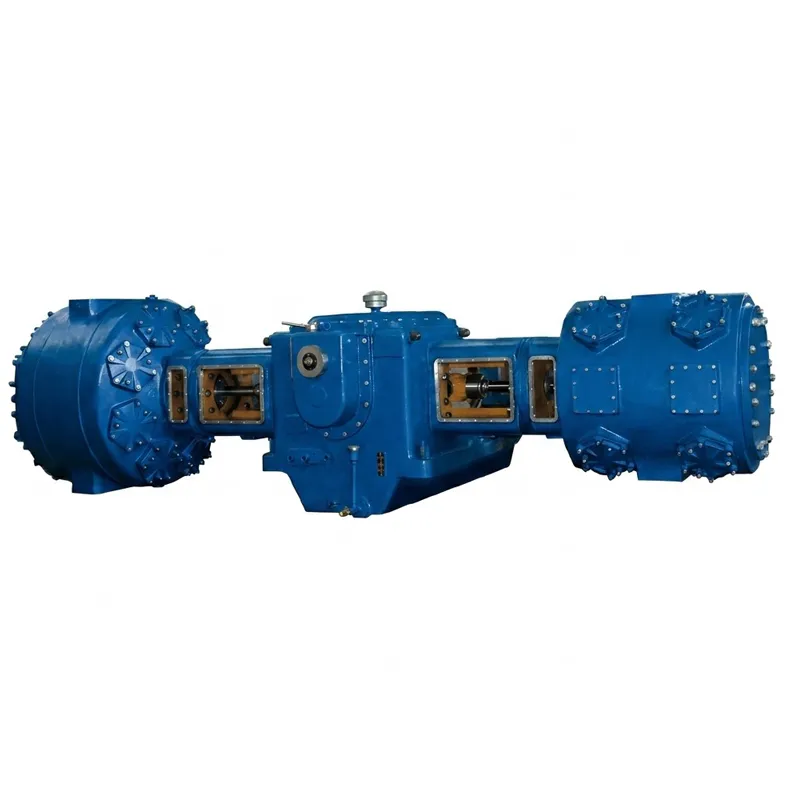
EP-DW-130/8-A Oil Free Air Compressor
The EP-DW-130/8-A is a large-scale, two-column, two-stage oil free air compressor delivering 130 m³/min at 0.8 MPa. Driven by an 800 kW medium-voltage motor, it guarantees ISO 8573-1 Class 0 oil-free air for critical industries like pharmaceuticals and food processing. Key features include a water-cooled intercooler/aftercooler system, PTFE-composite piston rings, and a sealed distance piece to prevent oil contamination. Built with high-tensile cast iron and alloy steel, the unit meets CE, PED, and ISO 9001 standards.
Oil-Free Industrial Compressor Series — Zero Contamination, Maximum Reliability
EP-DW-130/8-A Oil Free Air Compressor
The EP-DW-130/8-A is a large-scale, two-column two-stage industrial oil free air compressor purpose-built for industrial processes that demand completely uncontaminated compressed air at high volume. Delivering 130 m³/min of clean, oil-free air at a working pressure of 0.8 MPa, this industrial oil free air compressor is driven by an 800 kW motor and weighs 18 tonnes — a permanent-installation powerhouse suited to pharmaceutical production, electronics manufacturing, food processing, chemical processing, and any critical application in France and globally where oil carryover into the process stream is simply not acceptable.
1. Technical specifications of oil free air compressor
| Parameter | Value | Remarks |
|---|---|---|
| Model Designation | EP-DW-130/8-A | DW-series large-capacity oil-free unit |
| Compressor Type | Two-column, Two-stage Oil Free Piston | Zero oil-in-air design; PTFE ring compression |
| Free-Air Delivery (FAD) | 130 m³/min | Measured per ISO 1217, standard inlet conditions |
| Discharge Pressure | 0.80 MPa (8 bar) | Maximum continuous working pressure |
| Drive Motor Power | 800 kW | Three-phase asynchronous motor, IE3 minimum |
| Supply Voltage | 6 kV or 10 kV, 50 Hz | Medium-voltage motor; matches large plant MV distribution |
| Overall Dimensions (L×W×H) | 6000 mm × 3640 mm × 3000 mm | Main unit, excluding inter-stage and aftercooler pipework |
| Unit Weight (Dry) | 18.00 t | Operating weight, coolant not included |
| Cooling Method | Water-cooled (intercooler + aftercooler) | Shell-and-tube heat exchangers; condensate drains standard |
| Lubrication Type | Oil-free compression end; crankcase oil-lubricated | Oil-tight separation between crankcase and cylinders |
| Air Purity Class | ISO 8573-1 Class 0 (oil content) | Zero detectable oil in discharge air stream |
| Noise Level (at 1 m) | ≤ 86 dB(A) | Per EN ISO 2151; acoustic enclosure available |
| Ambient Temperature Range | 5 °C – 40 °C | Extended high-temp specification available |
| Quality Certification | ISO 9001 (certified since 2001) | Full factory acceptance test before dispatch |
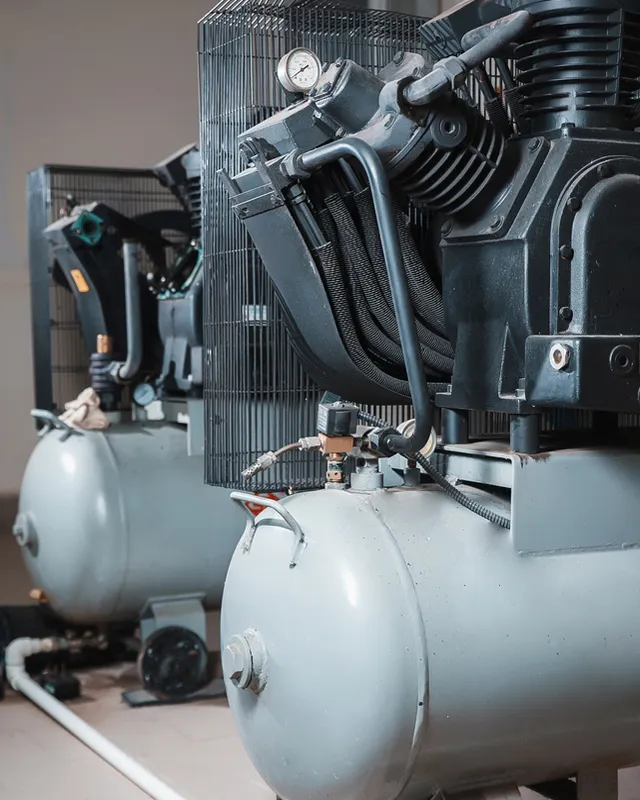
2. How the Oil Free Air Compressor Works
The fundamental operating sequence of the EP-DW-130/8-A follows the two-stage reciprocating piston cycle — but with a critical engineering distinction at the cylinder level that sets every oil free compressor apart from its lubricated counterpart. In a conventional piston compressor, a thin oil film between piston rings and cylinder walls provides sealing, cooling, and wear protection. That oil, however inevitably becomes entrained in the compressed gas as a fine aerosol. In the EP-DW-130/8-A, this film is entirely absent from the compression space. Instead, precision-machined PTFE-composite piston rings and rider rings — materials that carry their own self-lubricating properties at the molecular level — provide the necessary gas-tight seal between piston and cylinder bore without any liquid lubricant. The result is that no oil molecules, droplets, or vapour are ever introduced into the compressed-air stream, regardless of load condition, ambient temperature, or machine age.
Mechanically, the compression sequence proceeds as follows. The 800 kW medium-voltage motor rotates the crankshaft, which drives four pistons — two low-pressure (LP) stage pistons and two high-pressure (HP) stage pistons — via precision forged connecting rods. On each suction stroke, atmospheric air enters through the stainless-steel mesh inlet filter, passes the spring-loaded stainless suction valve, and fills the LP cylinder. On the compression stroke, the LP pistons compress the air to an inter-stage pressure of approximately 0.25–0.28 MPa before discharging it through the inter-stage check valve into the water-cooled intercooler. Here, cooling water flowing through the shell-and-tube bundle extracts the heat of first-stage compression, reducing the gas temperature to near-ambient before it enters the HP cylinders. The HP pistons then compress the cooled, denser gas to the final working pressure of 0.80 MPa. Discharge gas passes through the water-cooled aftercooler and a moisture separator before entering the plant compressed-air distribution ring, arriving clean, dry, and completely free of oil contamination. A sealed, oil-tight distance piece between the crankcase and each cylinder assembly physically prevents crankcase oil mist from migrating into the compression chamber under any operating condition — this separation is the architectural guarantee of the machine’s oilless air compressor status.
3. Five Key Performance Advantages of Oil Free Air Compressor
Guaranteed ISO 8573-1 Class 0 Oil Content
Unlike oil-injected machines that rely on downstream coalescers to reduce oil carryover, the EP-DW-130/8-A delivers ISO 8573-1 Class 0 oil-free air directly at the discharge flange by design. There is no oil in the compression space — none to coalesce, filter, or monitor. This gives process engineers in pharmaceutical, food-grade, and electronics environments the unconditional air-quality guarantee their regulatory and customer audits demand, without the ongoing operational complexity of filter replacement schedules.
130 m³/min High-Volume Capacity
Very few industrial oil free air compressor machines in the piston category achieve 130 m³/min of oil-free delivery at 0.8 MPa from a single unit. This capacity covers the combined compressed-air demand of large multi-process facilities — several packaging lines, a cleanroom block, and instrument air headers simultaneously — without requiring parallel installation of multiple smaller machines, which would multiply maintenance points and complicate system control.
Simplified Downstream Air Treatment
When comparing the oil-free design vs oil-lubricated options at this scale, one of the clearest advantages of the oil-free design is the dramatic simplification of the downstream treatment chain. Oil coalescers, activated-carbon absorbers, and in-line oil monitors — each requiring capital investment, replacement consumables, and regular servicing — become unnecessary for the oil-removal function. A refrigeration dryer and sterile filter are typically all that is required to achieve pharmaceutical-grade compressed air, which translates directly into lower operational cost over the machine’s service life.
Medium-Voltage Drive for Large Plant Integration
The 800 kW oilless compressor motor is supplied in 6 kV or 10 kV configurations, enabling direct connection to a plant’s medium-voltage switchgear without step-down transformers. This is a critical practical advantage for large industrial sites in France, Germany, the Gulf, and Southeast Asia, where medium-voltage distribution has been the standard for decades. Eliminating the transformer reduces installation cost, floor-space requirements, and one additional point of failure from the electrical supply chain.
Long-Term Parts Support & Global After-Sale Service
Oil free air compressor spare parts for the DW series — including PTFE ring sets, valve assemblies, distance-piece seals, and intercooler tube bundles — are stocked in the manufacturer’s dedicated warehouse and dispatched globally within 48 hours for stocked items. With a network of sales and service centres and an international technical team experienced in commissioning large oilless compressor installations, buyers across France, Europe, the Middle East, and beyond receive the support continuity that a permanent-installation machine of this scale demands.
4. Materials & Construction of Oil Free Air Compressor
The engineering integrity of the EP-DW-130/8-A rests on the quality of materials selected for each compression, sealing, structural, and thermal management function. At 800 kW and 130 m³/min, every material choice has a direct impact on long-term reliability, maintenance frequency, and the consistency of oil-free air output throughout the machine’s service life.
| Component | Material | Function & Why It Matters |
|---|---|---|
| Main Frame / Crankcase | High-tensile grey cast iron HT250, fully stress-relieved | Structural rigidity; isolates crankcase oil from cylinder assembly |
| Cylinders | Alloy cast iron, precision-honed bore, hard chrome optional | Compatible with PTFE rings; maintains bore geometry over millions of cycles |
| Piston Rings & Rider Rings | PTFE-glass-fibre composite; PTFE-carbon filled | Self-lubricating; zero oil required in cylinder; guarantees oil-free output |
| Distance Piece (Oil Barrier) | Cast iron body with PTFE lip seals and wiper rings | Oil-tight physical separation between crankcase and compression space |
| Piston Rods | Alloy steel, hard-chrome plated rod surface | Corrosion resistance; precise diameter for lip-seal contact |
| Crankshaft | Forged alloy steel 42CrMo4, ground and nitrided | Carries 800 kW torque load continuously; fatigue-rated for long overhaul intervals |
| Connecting Rods | Drop-forged carbon steel, shot-peened | High tensile strength; H7 big-end for precision shell bearing fit |
| Suction & Discharge Valves | High-alloy spring steel plate valves; stainless valve body | Self-acting; rated for >10⁸ cycles; stainless resists condensate corrosion in oil-free service |
| Intercooler & Aftercooler | Carbon steel shell; copper or stainless tube bundle | Pressure-vessel certified; stainless option suits hygienic applications |
| Inlet Filter | Stainless steel mesh pre-filter; cellulose-fibre main element | Protects PTFE rings from abrasive particles; extends ring service life |
5. Application Scenarios of Oil Free Air Compressor
The need for a guaranteed oil-free air supply spans a broad range of industries. At 130 m³/min, the EP-DW-130/8-A serves as the central compressed-air source for large facilities that previously required multiple smaller oil-free units or that have outgrown their existing compressed-air infrastructure. The following sectors represent the core deployment environments for this machine globally.
◆ Pharmaceutical Manufacturing & Cleanroom Supply
EU Good Manufacturing Practice (GMP) guidelines and FDA 21 CFR Part 211 both specify that compressed air contacting drug substances, packaging, or process equipment must be oil-free. The EP-DW-130/8-A’s ISO 8573-1 Class 0 certification satisfies this requirement unconditionally. Large pharmaceutical campuses in France, Ireland, and Germany that process multiple active pharmaceutical ingredients (APIs) simultaneously can centralise their oil-free air supply on a single machine of this capacity, reducing the complexity of the cleanroom air system. GMP auditors and regulatory inspectors accept Class 0 certification as documentary evidence of air purity compliance.
◆ Food & Beverage Processing
In food processing plants, compressed air contacts products during pneumatic conveying, filling, sealing, blow-moulding of PET beverage bottles, and modified-atmosphere packaging. Any oil contamination in the air stream risks product spoilage, batch rejection, and potential consumer health consequences — all scenarios that lead to regulatory enforcement action and reputational damage. The EP-DW-130/8-A provides the volume needed for a large multi-line food production facility while guaranteeing that every cubic metre of air delivered is free of oil aerosol, vapour, and residue, fully consistent with EC Regulation 1935/2004 on materials and articles intended to contact food.
◆ Electronics & Semiconductor Fabrication
Semiconductor wafer fabrication, PCB assembly, and flat-panel display manufacturing require compressed air at ISO 8573-1 Class 0 for pneumatic tooling, component handling, and process chamber purging. Oil contamination on wafer surfaces causes irreversible yield losses worth orders of magnitude more than the cost of the air station. The EP-DW-130/8-A silent compressor option — with acoustic enclosure — also helps meet the noise limits common in high-precision fabrication environments where vibration and acoustic interference affect sensitive metrology and bonding equipment.
◆ PET Blow Moulding & Beverage Packaging
High-speed PET stretch-blow moulding lines for beverage bottles require large volumes of clean, dry, oil-free air at 0.7–1.0 MPa. When combined with an ISBM machine to form a one-step bottle-making system, the air quality requirement becomes even more stringent because the forming cavity is in direct contact with the bottle interior. The EP-DW-130/8-A supplies pre-blow air to multiple high-speed blow lines simultaneously — each running at 2,000+ bottles per hour — while the Class 0 rating eliminates any risk of oil specking on bottle walls that would trigger quality-control rejection.
◆ Oxygen & Nitrogen Generation (Air Separation)
Pressure swing adsorption (PSA) and membrane nitrogen/oxygen generators, as well as cryogenic air-separation units, use compressed air as the process feed gas. Any oil in the feed air stream coats the molecular sieve adsorbent beds and destroys their capacity irreversibly, requiring costly regeneration or bed replacement. An oil free compressor as the feed source eliminates this contamination risk entirely and is the standard specification for air separation plants serving the industrial gas, medical oxygen, and food-grade nitrogen markets in France and globally.
◆ Dental & Medical Gas Supply
Although the EP-DW-130/8-A operates at a scale beyond a typical dental surgery, it is the correct specification for central medical air systems serving large hospital complexes, multi-building dental hospital campuses, and medical gas pipeline systems under EN ISO 7396-1. Oil free air compressor dental and medical applications are governed by stringent national health authority standards — including ANSM regulations in France — that require verified oil-free compression at every production test and periodic inspection. The Class 0 certification of this machine satisfies those requirements without reliance on downstream mitigation.
6. Regulatory & Standards Compliance
Oil-free compressed air is subject to regulatory requirements that go beyond the general machinery safety and pressure-vessel rules that apply to all compressors. Buyers specifying the EP-DW-130/8-A for regulated industries must ensure all applicable standards are met. The following table covers the most relevant frameworks across major markets.
| Region / Industry | Standard / Regulation | Relevance to Oil-Free Compressor Use |
|---|---|---|
| EU / France — Machinery | Machinery Directive 2006/42/EC; PED 2014/68/EU; Ecodesign Reg. 2019/1781 | CE marking; pressure-vessel conformity; IE3 minimum motor efficiency |
| France — Pharma/Food | ANSM medical air guidelines; Code de la Santé Publique; EC Reg. 1935/2004 | Verified oil-free supply for medical gas and food-contact compressed air |
| EU — Pharma GMP | EudraLex Vol. 4 Annex 1 (sterile manufacture); EU GMP Chapter 3 | Compressed air used in sterile manufacturing must be oil-free and tested |
| Global — Air Purity | ISO 8573-1:2010 (compressed air purity classes) | Class 0 oil content: no detectable oil; used as quality benchmark across all sectors |
| Global — Medical Gas | EN ISO 7396-1; HTM 02-01 (UK NHS); NFPA 99 (USA) | Medical air pipelines require oil-free source compressors verified by periodic test |
| USA — Pharma / Food | FDA 21 CFR Part 211; FSMA (Food Safety Modernisation Act); USP <1> compressed air | cGMP mandates oil-free air for product-contact applications |
| UK (post-Brexit) | PSSR 2000; UKCA marking; HTM 02-01; UK GMP Orange Guide | Pressure system safety; NHS medical air certification; pharma cleanroom air |
| Australia | AS 2896 (medical gas systems); TGA GMP; AS/NZS 2971 | Medical air must come from a certified oil-free compressor with documented test results |
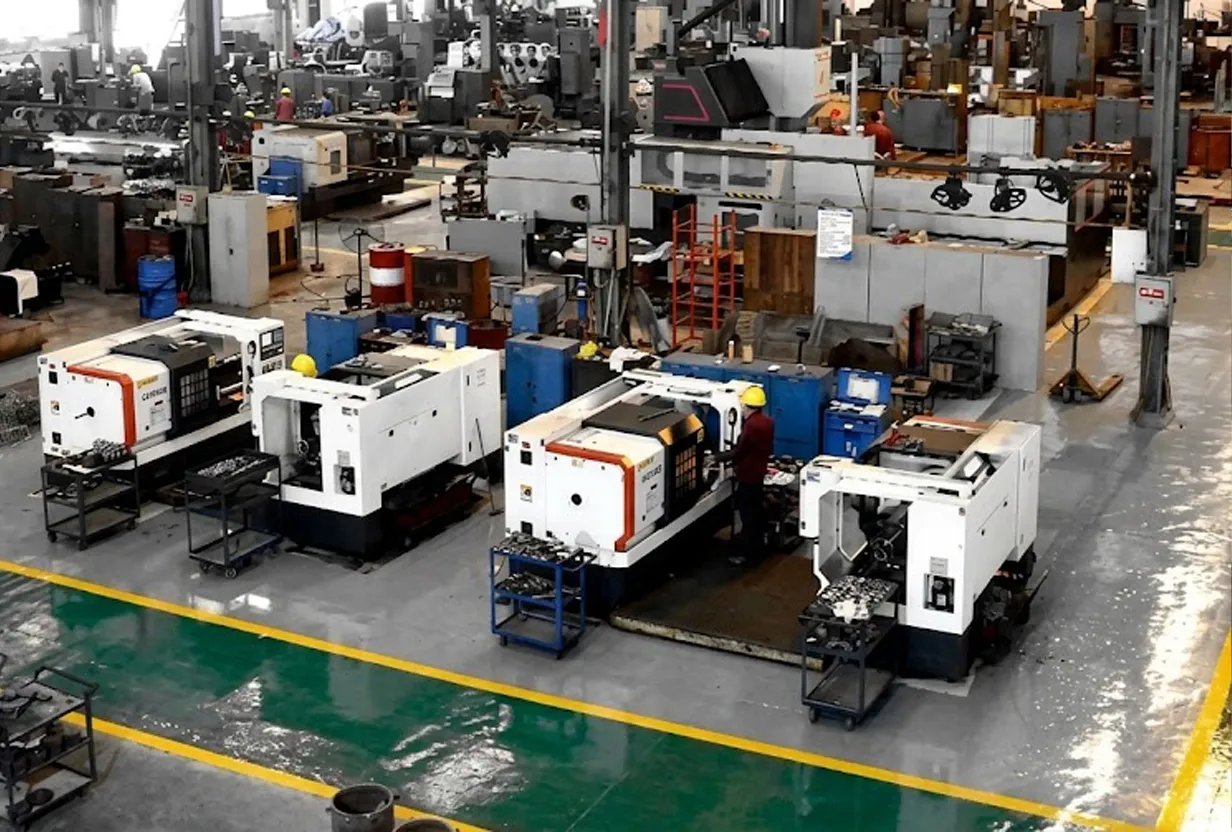
7. About Us
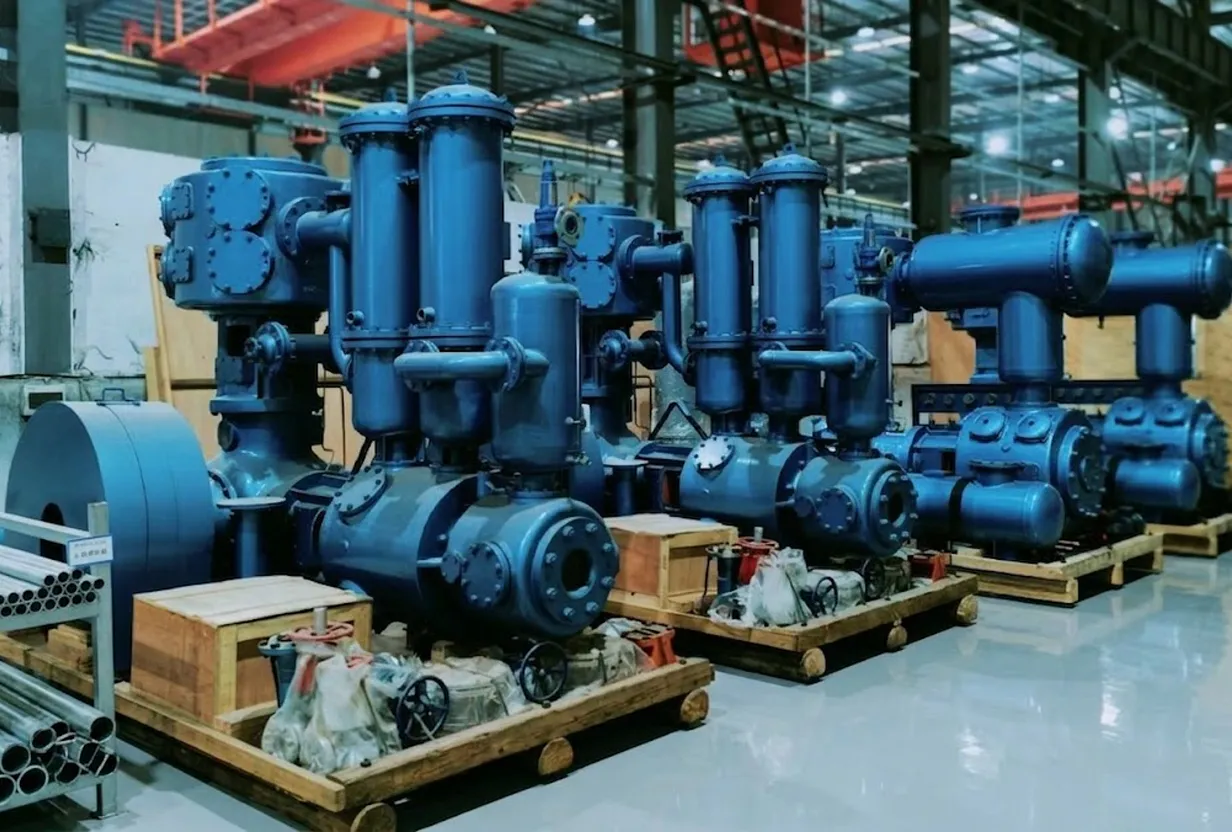
Dedicated sub-plants handle casting, machining, heat treatment, pressure-vessel fabrication, assembly, and comprehensive acceptance testing under one roof.
The factory holds a compressor manufacturing licence, Class I and II (partial Class III) pressure-vessel permits, and ISO 9001 certification maintained without interruption since 2001.
WorkShop

8. Related Products & System Compatibility
The EP-DW-130/8-A integrates with other equipment families in our production portfolio to deliver complete, single-source compressed-air and processing systems. Procuring compressor, motor, and downstream equipment from a single supplier with unified technical documentation simplifies procurement, qualification, and ongoing service — a particular benefit for regulated industries where supplier audit trails matter.
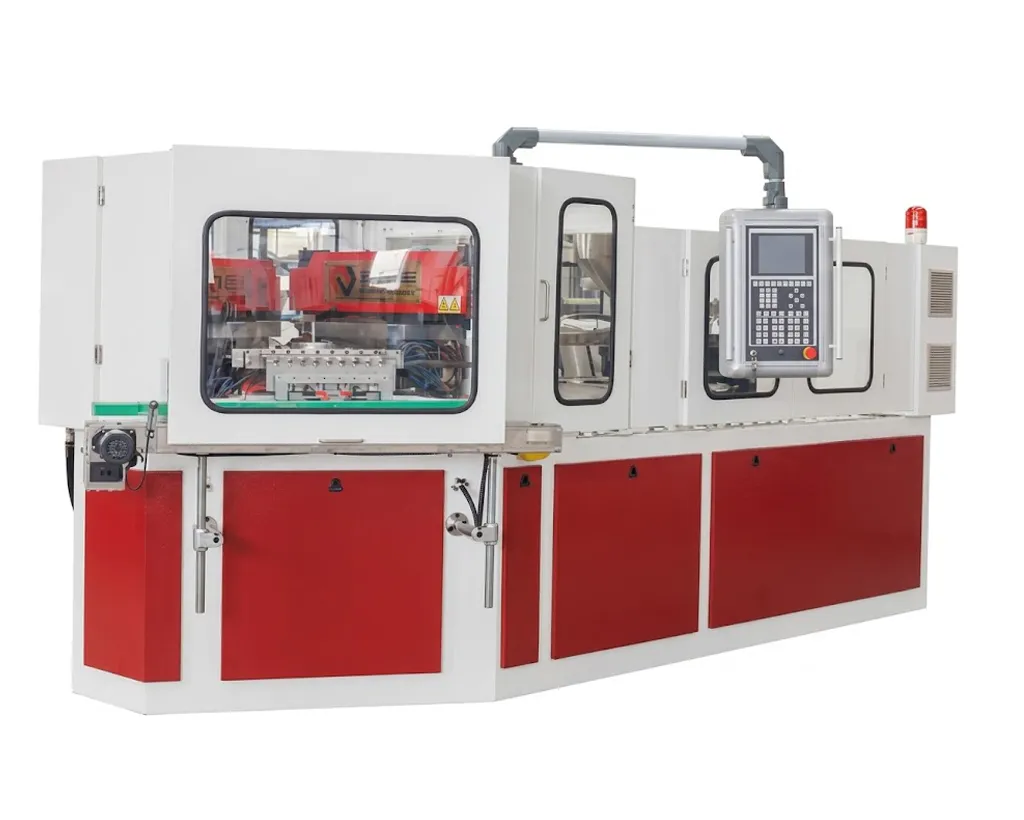
ISBM Machine — One-Step Injection Stretch Blow Moulding
For beverage and personal-care packaging manufacturers, the EP-DW-130/8-A provides the oil-free pre-blow and blow air that an ISBM machine demands in direct bottle-forming applications. The bottle cavity is in contact with the air that forms the bottle interior — any oil contamination is unacceptable from a food-contact regulatory standpoint.
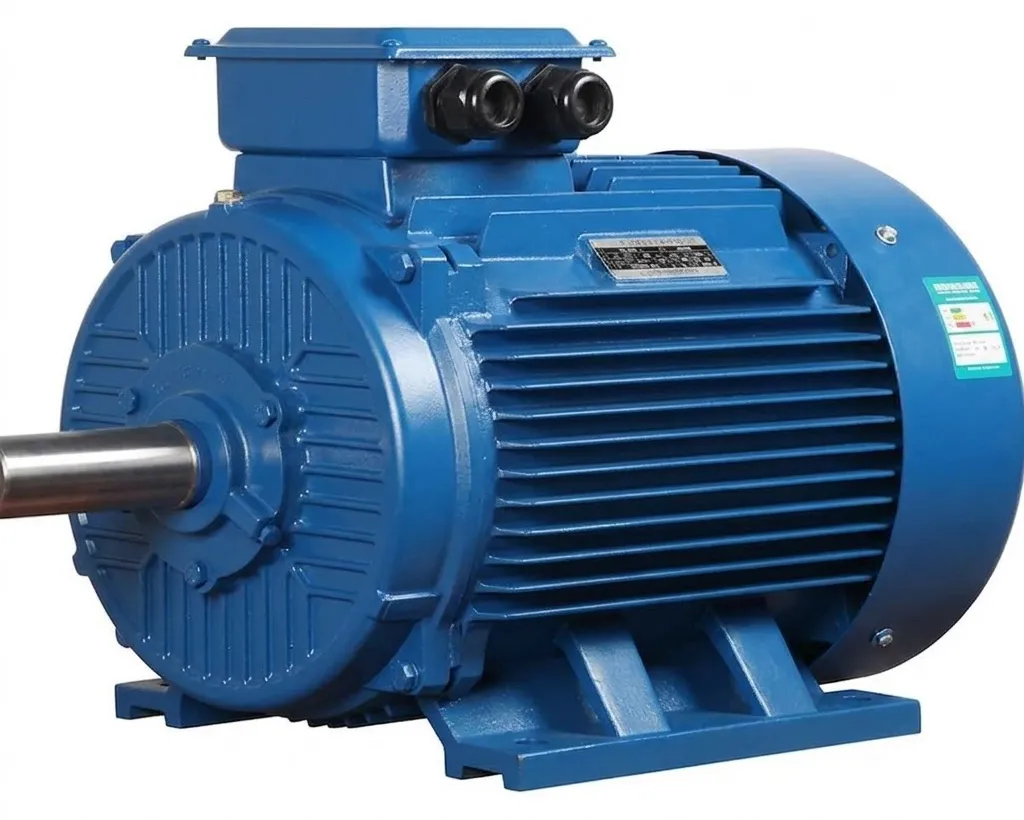
Three Phase Asynchronous Motor
The 800 kW drive motor on the EP-DW-130/8-A is a three-phase asynchronous motor available at 6 kV or 10 kV in our standard production range, IE3 efficiency rated in accordance with EU Ecodesign Regulation 2019/1781. Matching the motor to the compressor at the manufacturer level eliminates shaft coupling mismatch, simplifies the equipment qualification documentation for regulated facilities, and provides a single point of contact for warranty management across the entire drive train.
Frequently Asked Questions
Q1. What is an oil free air compressor and how is it different from a standard lubricated machine? ▼
Q2. Which oil free air compressor manufacturers can supply a 130 m³/min unit with CE documentation to France? ▼
Q3. What is the difference between an oil free air compressor and an oil lube air compressor for industrial pharmaceutical use? ▼
Q4. How often do oil free air compressor spare parts such as PTFE piston rings need to be replaced? ▼
Q5. What size industrial oil free air compressor do I need for a large pharmaceutical packaging facility in Europe? ▼
Editor: PXY
Applications for Industrial Oil-Free Air Compressors
Oil-free compressed air is a powerful production method for companies that need to produce products with air purity and product safety in mind. Oil-free compressors are always ISO Class Zero certified and provide a 100% oil-free air supply for sensitive applications. Some industry application examples include:

- Automotive: Oil-free compressed air creates high-quality automotive paint finishes in a smooth process.
- Food and beverage: The oil-free approach creates healthier foods while also eliminating any possibility of oil contamination.
- Chemical: The chemical industry benefits from oil-free air compressors as these machines increase purity, reduce waste and increase safety.
- Electronics: Oil-free methods are critical for electronics as they provide uninterrupted control systems in ultra-clean conditions for the production of delicate devices such as motherboards.
- Pharmaceuticals: Oil-free air compressors reduce the risk of oil contamination in pharmaceutical products and help improve production efficiency.
When you want to produce products in environments where oil contamination can cause equipment damage or lead to costly damage and recalls, oil-free air compressors are the perfect solution to achieve the highest standards of air purity.
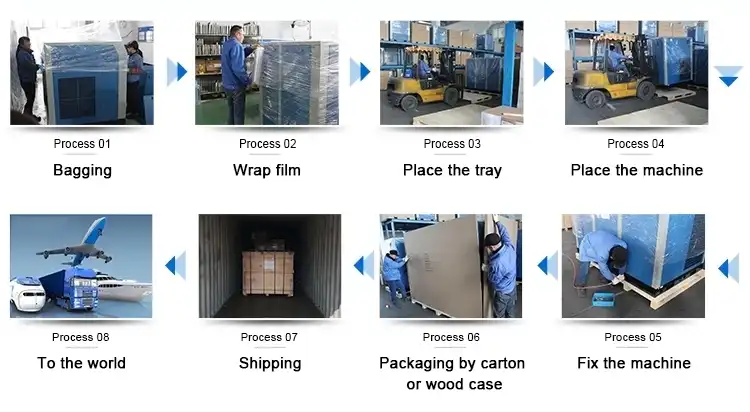
Packaging Process